
Whenever I do a live performance in a theatre or for charity, I like to try to do a “Six Degrees of Separation” type Historical/Genealogical piece for the local area, the more unexpected the result the better. The idea is to link a celebrity, an historical figure, and the local area.
When I did an appearance at Dibden Purlieu in Hampshire for the “Ambitious for All” Charity at Applemore College, I failed to come up with a link for Dibden Purlieu, because, let’s face it, nothing has ever happened there, but did find a link for Hythe, which Dibden Purlieu is a suburb of.
Step One: Alan Carr
So I’ve done work on Alan Carr’s tree in the past and you can see the results on ITV’s DNA Journey ITVX here: https://www.itv.com/watch/dna-journey/2a5252/2a5252a0004 but for the talk I looked a little wider and came up with a fascinating story.

Step Two: Zachariah Coles Alan Carr’s Cousin
The link started with Zachariah Coles, Alan Carr’s Cousin (4 generations back). Zachariah came from a family who made their living in the forbidding marshes of Erith and Dartford on the Kent Bank of the Thames, the same dangerous misty swamps that set the scene for Charles Dickens novel Great Expectations, with local boatmen like the Coles Family plying their trade on the Thame’s tidal waters.
The Coles were an enterprising lot, and while still earning from working on the River from the Thames to the Medway, they went into the pub trade in the marshes, and as the area became more civilised in the Victorian age, were amongst the first to bring in London based Music Hall acts to their pub in the Kent Marshes.
The family kept their waterborne skills and Zachariah turned his hand to marine engineering as first steam and then diesel engines began to supplant sailing barges on the Thames. By the First World War his talent for engineering onboard motorboats in particular were in high demand, and on 23rd November 1915 he joined the Royal Navy.
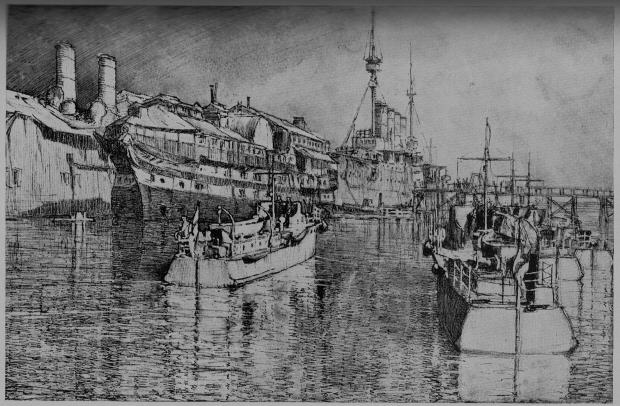
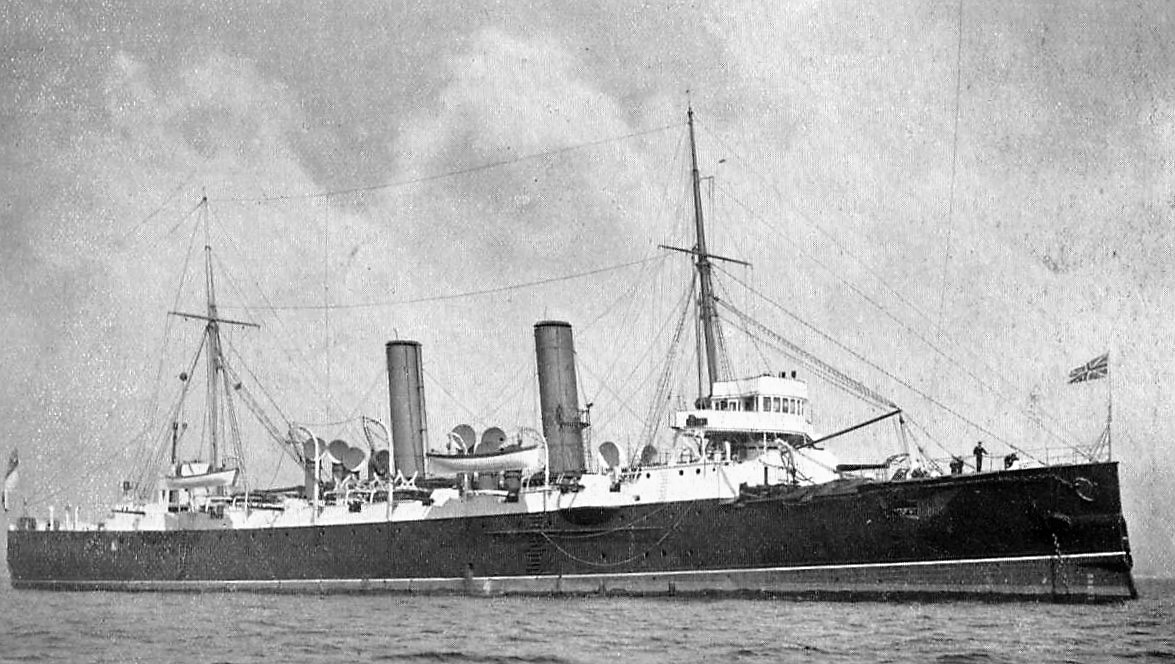
He was initially assigned to a depot repair ship in Ramsgate, then moved to an Armed Boarding Tug, before graduating to HMS Hermione in 1916, the Guard ship for the port of Southampton, doing duty as a Patrol HQ Ship for motor launches and coastal motor boats.
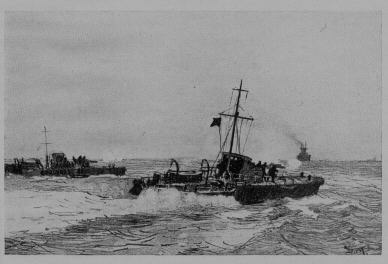
These Motor Boats patrolled coastal waters scouting and intercepting German U-Boats and enemy shipping attempting to land spies. Because of their speed and small draft, the motorboats could outrun and outmanoeuvre U-Boats, forcing the enemy submarines to surface to engage the motor launches with their secondary armament, producing an engagement on even terms.
Step 3: Red Cross
However in 1917 it seems that Zachariah wanted to make his skills available for more Humanitarian purposes, and he transferred to the British Red Cross and Order of St John (BRCS) volunteering as a Motor Launch Engineer on Red Cross boats in the Middle East. By march 1917 he was in Mesopotamia (Iraq) and would stay there until 1919.
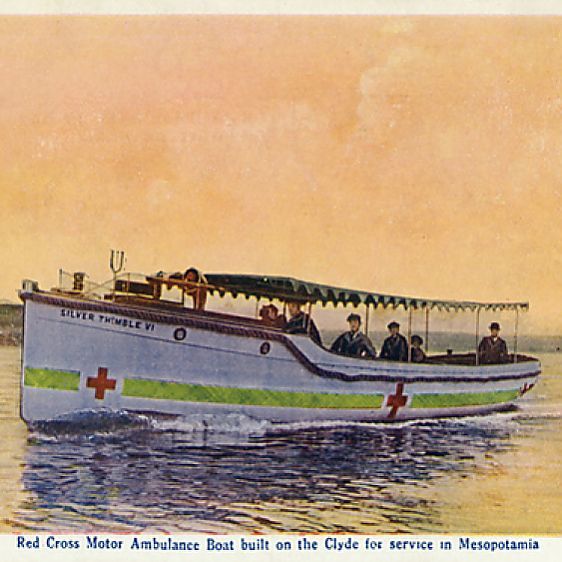
Based in Basra, Zachariah worked the Motor Launches on the Tigris and Euphrates rivers, and despite being humanitarian under the Red Cross, this was still a highly dangerous posting in a War Zone. Unarmed BRCS Launches would travel hundreds of miles on the Rivers of Iraq, dodging heavily armed Turkish Patrol Boats.
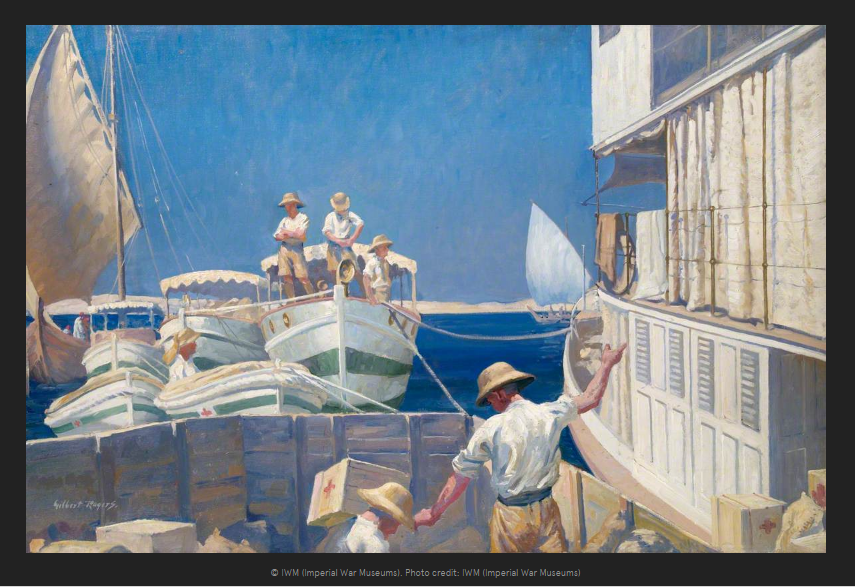
The unarmed BRCS boats followed British Army units advancing on the bank of the Rivers, up close to the fighting, risking shelling, machine gun, and small arms fire, to get the wounded to safety.
Step 4: Gertrude Bell – Spy Master
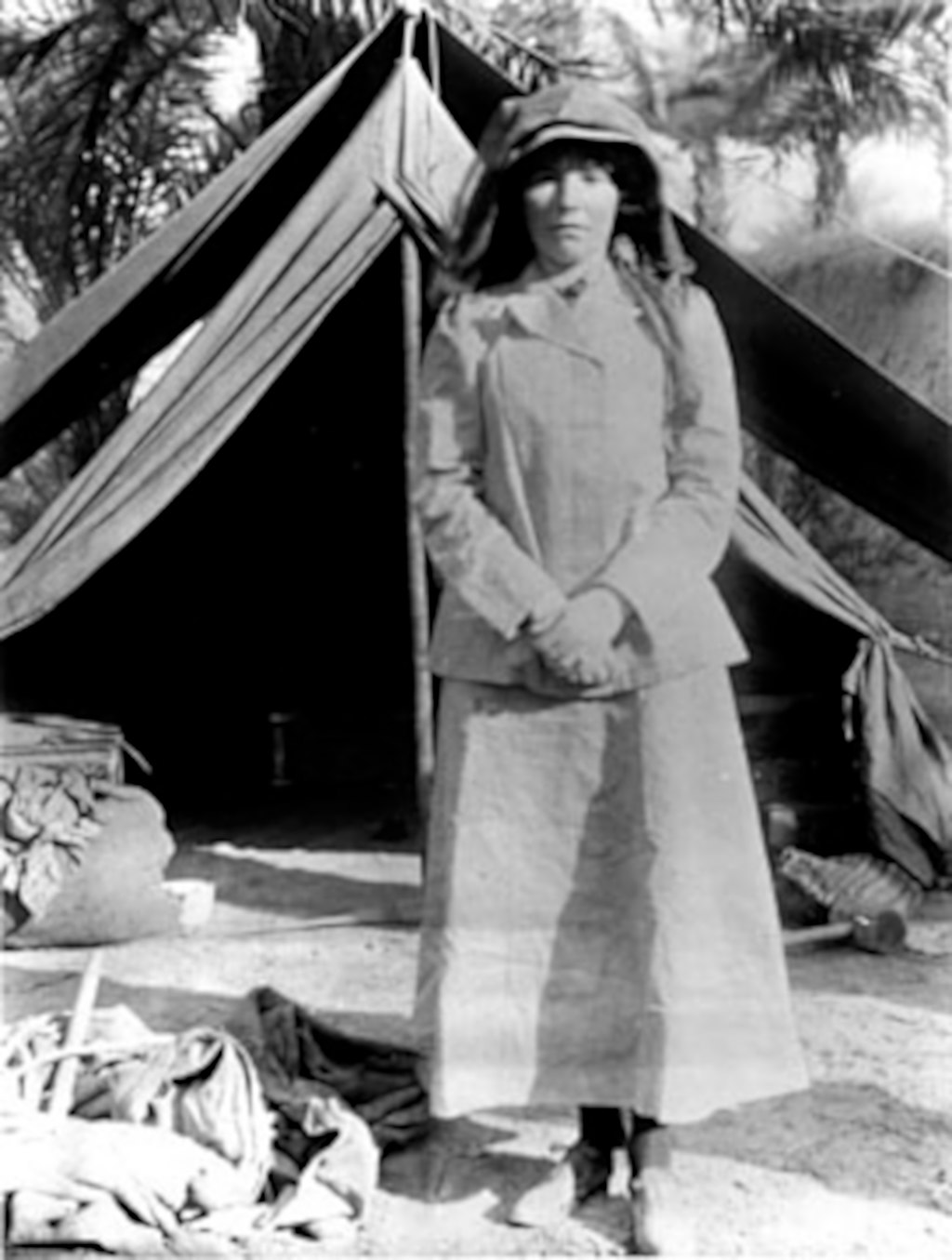
Gertrude Bell was an important Head of some of the Red Cross Operations in Iraq, and had close ties to the BRCS launches. Gertrude was an aristocratic, intelligent, well travelled woman, based in Baghdad and Basra, Gertrude as a BRCS Executive travelled extensively on Rivers in Iraq. It is possible that Zachariah had met Gertrude Bell at some points during his time in Iraq when he was manning the Red Cross Boats.
She was also effectively a handler of Special Agents and Intelligence sources for the British, her most famous Special Agent contact being none other than T E Lawrence or ” Lawrence of Arabia” as he is better known.
Step 5: Lawrence of Arabia

During his time in Iraq Lawrence liaised with Gertrude Bell, and had carried out reconnaissance and Intelligence gathering missions, which would have required river travel where the Red Cross launches patrolled the the Tigris and the Euphratees rivers.
It would seem he became increasingly impressed with their capabilities during his time there, and brought some ideas back with him. Did he ever travel on Zachariah’s boat? We don’t know for sure.
Step 6: The Solent
Back in England after The Great War in 1922, Lawrence enlisted in the RAF under the pseudonym John Hume Ross, this was soon discovered, and he left to join the Tank Corps, before re-enlisting in the RAF in 1925 under the name of T E Shaw. He entered the Marine Branch of the RAF. Having witnessed the crash of a sea plane and the slow efforts to rescue the crew, Lawrence became involved in developing and testing fast rescue boats, which were crucial for saving lives at sea.
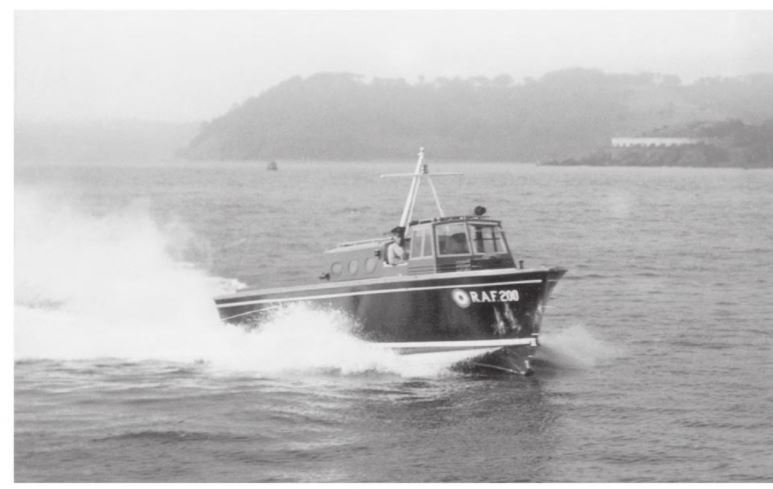
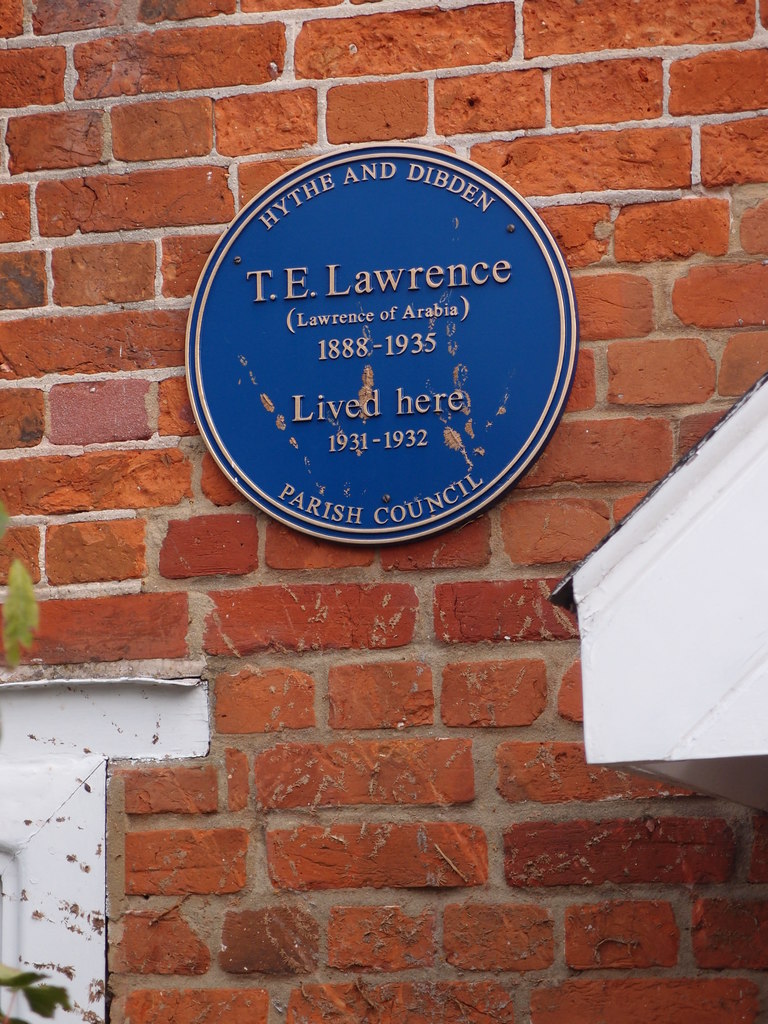
This involved him being seconded to the British Power Boat Company in Hythe on the Solent, where he worked on the development and trials of such high-speed craft. During this time, he lived at Myrtle Cottage on Shore Road, which is marked with a blue plaque.
As to Zacharia, he returned home and ran a pub called the Running Horses at Erith in Kent. Until WW2 when a bomb blast during an air raid killed him the drinkers in his pub.

Zacharia Received the Victory Medal, War Medal, and BRCS Medal (all were sold at auction in 2016).

 Travelling Through Time to Trace Your Ancestors