80th Anniversary of Operation Market Garden
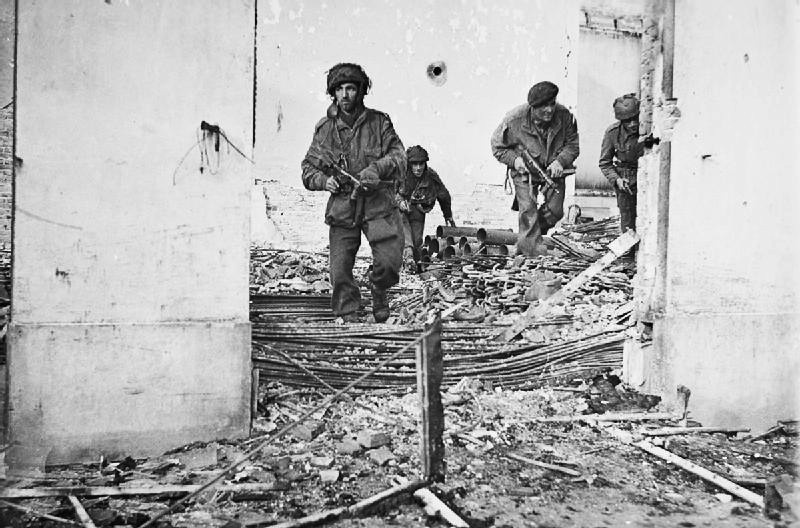
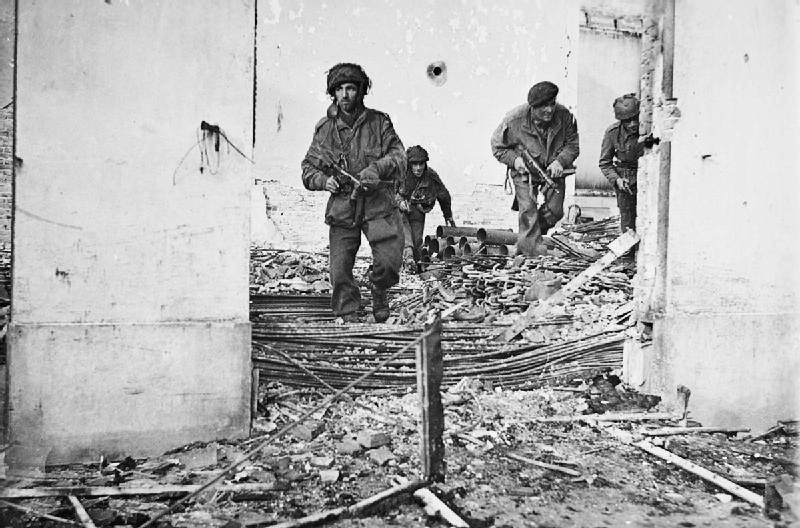
2024 marks the 80th Anniversary of Operation Market Garden a complex and daring attempt to shorten the World War Two by a strike with an armoured through The Netherlands, across the Rhine and into the heart of Germany. This was to be facilitated by airborne troops parachuting in to capture key bridges across various rivers to allow the Tanks to get through.
On 17th September 1944 more than 35,000 allied Paratroopers and Glider borne troops landed behind German Lines these various bridges, the key being the bridge across the Neder Rijn at Arnhem, which the troops were to capture and hold until reinforcements could reach them.
Ultimately the Strategy failed and the armoured thrust was slowed by German resistance long enough for the Airborne troops to be overrun and the bridges recaptured, but there were many examples of incredible acts of bravery by the airborne troops, including a famous moment dramatised in the “Film A Bridge Too Far” when a German Officer approached the lines of a badly outnumbered and outgunned parachute unit and offered terms for surrender, the British Officer replied that he didn’t have the facilities to take so many Germans prisoner!
Total allied losses of British, US and Polish Troops amounted to up to 13,000 killed or wounded and 6,450 captured.
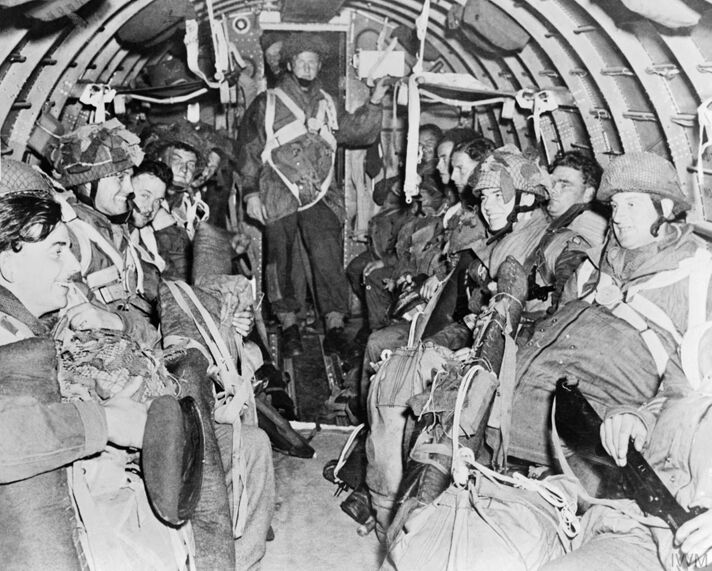
But there was another side to bravery in the face of the enemy and that doesn’t always get covered, and that happened a few thousand feet above the ground.
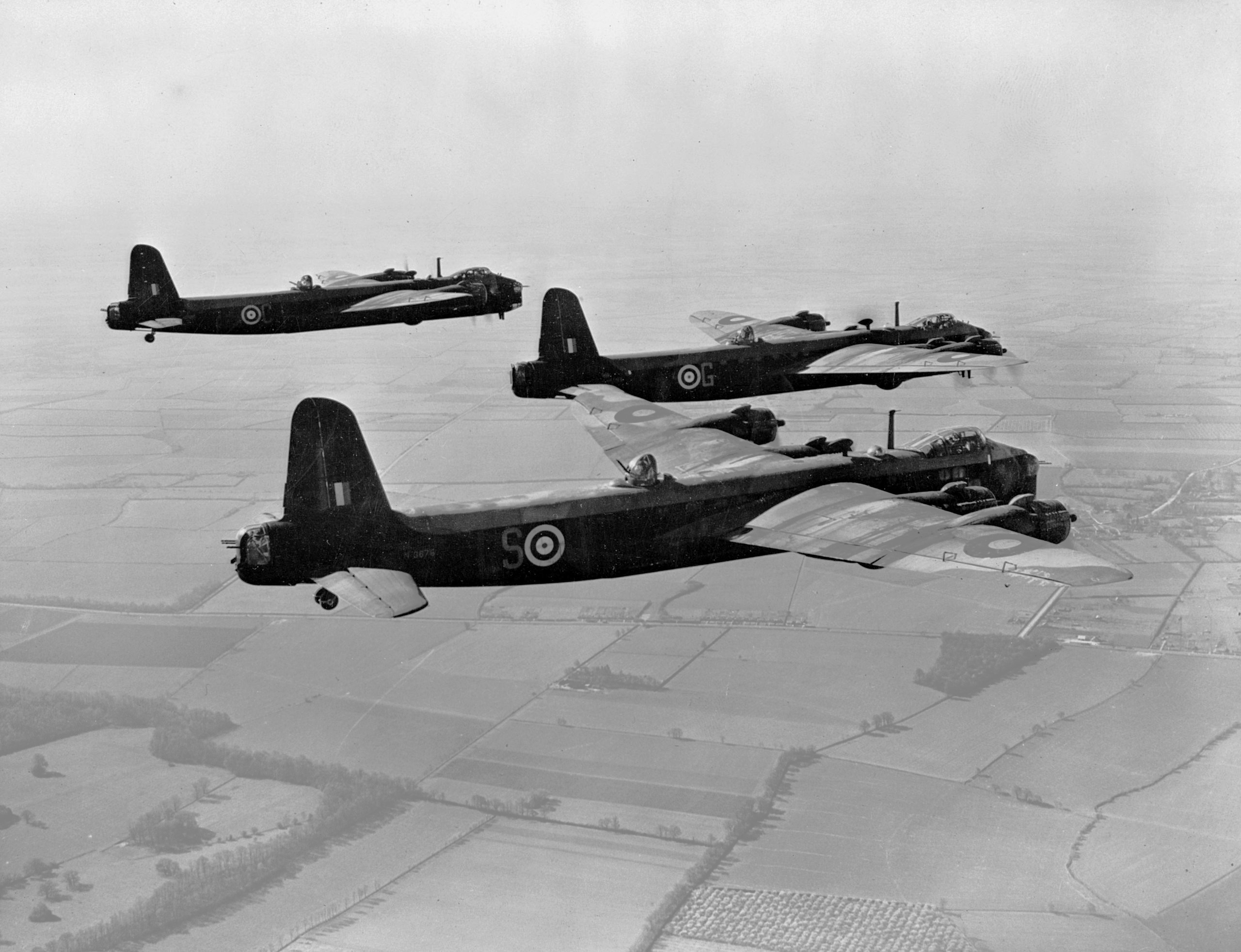
To supply the airborne troops on the ground the Royal Air Force used “Short Stirling Bombers” to drop supplies, the Stirling Bomber (manufactured by Short Brothers) was the first four-engined heavy bomber used by the Royal Air Force in WW2 and proved versatile enough for operations outside of simple bombing runs.
The Short Stirling bomber carried an aircrew to fly and navigate the plane, and for supply runs a number of “Dispatchers” from the specially trained Airborne troops of the Royal Army Service Corps (RASC). These Airborne RASC men had a crucial role in loading and dropping Supplies, responsible for ensuring that supplies, equipment, and sometimes paratroopers were correctly loaded and securely fastened. During missions, they would oversee the precise dropping of these supplies over designated areas. In addition they maintained communication with both the aircrew and ground forces, ensuring that all operations were coordinated effectively. The dispatchers’ task was to be positioned in the middle of the plane, where they would lower the large supply containers attached to parachutes through the bomb bay doors, and out of the plane.
We will concentrate one plane on Saturday 23rd September 1944. On that day a an eight man crew had set off from RAF Harwell airfield in Oxfordshire in short Stirling LJ883 from 570 Squadron RAF on a supply run in concert with more than one hundred other allied planes dropping weapons, ammunition, food, and medical supplies for the airborne troops on the ground at Oosterbeek in the Netherlands. LJ 883 and crew had flown a number of missions over the previous week dropping paratroops and supplies over the Arnhem area. The first flights had been without incident,the German defenders being taken largely by surprise, and one flight had even included an American photo-journalist, but as time went on German air defences became more alert and better prepared and LJ 883 had been damaged by flak on at least two occasions, with at least one crew member wounded, so any trip could prove to be their last. Despite this the same crew went up day after day flying through the hail of flak to supply the men who were becoming ever more desperately cut-off on the ground.
On 23rd September 1944 the crew comprised :
Flying Officer William Kirkham Pilot aged 21
Flying Officer Morris Hand Wireless Operator aged 26
Flying Officer David Henry Atkinson Bomb Aimer aged 23
Flying Officer Ernest Charles Brown Navigator aged 20
Sergeant Harold Ashton Flight Engineer aged 22 Flight Sergeant George Wood Air Gunner
Lance Corporal Gerard Reardon 253 (Airborne) Composite Company Dispatcher aged 31 Driver S. Badham RASC Air Despatcher
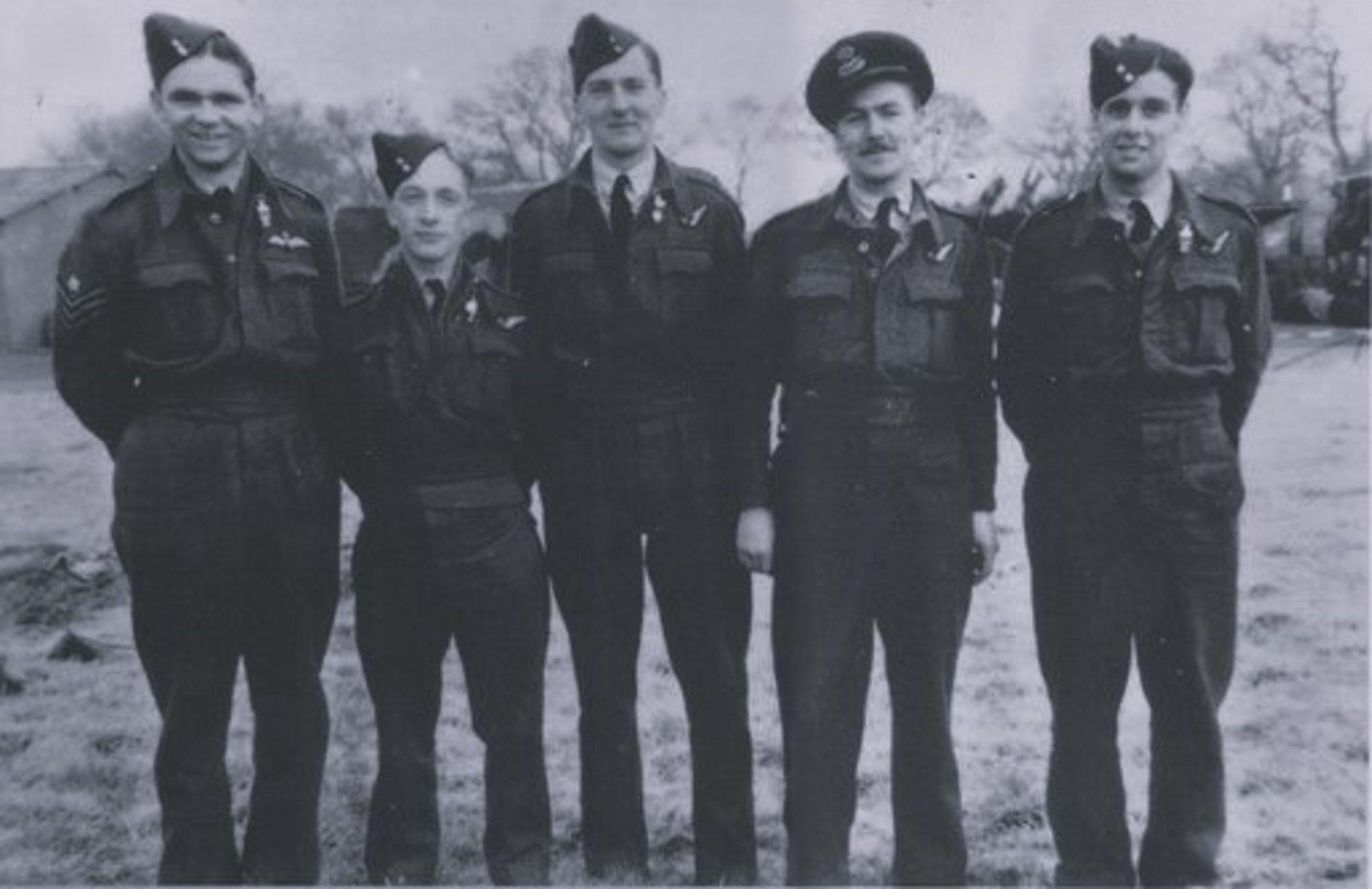
I was particularly interested in Lance Corporal Gerard Reardon 253 (Airborne) Composite Company Dispatcher, the reason being that I first came across his name when researching John Bishop’s Family Tree for ITV’s top rated DNA Journey programme. This has lead me to do some separate research culminating in this article in commemoration of a group of brave men who made the ultimate sacrifice in Operation Market Garden.
The Reardon’s – Fishmonmgers
Corporal Reardon being John Bishop’s 2nd Cousin twice removed, meaning that John Bishop’s three times Great Grandparents were Corporal Reardon’s Great Grandparents.
The Reardon Family had come to Liverpool from Ireland between 1834 – 1836 just prior to the Great Potato Famine, Patrick Reardon had been working as a Labourer in the 1840s in St Helens, but by the 1850s Patrick had become a Glass Dealer, not surprising, as there were a number of Glass Works in St Helens (which came up when I researched Johnny Vegas’s ancestors who worked in the factories). Patrick then went into dealing in both Salt and Fish, to the point where he became very successful and was part of a mass prosecution of Salt and Fish Dealers from the Scotland Road area of Liverpool in 1856 for “faulty weights and measures”, he got off with a fine of “half a crown” (2 shillings and sixpence) and costs. He sold up his premises, probably because of Bankruptcy, but in the 1860s he managed to win the contract to supply salt to the Liverpool Workhouse and a year later was discharged from Bankruptcy. Patrick died in 1869.
After Patrick’s death his wife Winifred took over the fishmonger’s business and lived above the shop in Scotland Road Liverpool. The children followed taking over the Fishmongers and the Salt Dealing business, this carried on down the generations, eventually operating from Warrington Fish Market, where they still operate to this day.
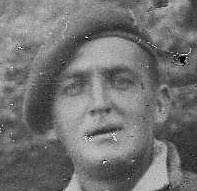
This is where we meet Lance Corporal Gerard Reardon, a fourth generation Fish Monger, the son of Fishmonger Victor and Mary Reardon and husband of Jean Reardon, of Appleton, Cheshire, who joined the Royal Army Service Corps in World War Two and found himself posted to the Air Borne Division, flying dangerous missions in Stirlings over the occupied Netherlands. Comedian John Bishop’s second cousin twice removed. At 31 Lance Corporal Reardon was the oldest man on LJ 883.
Last Flight of LJ 883
On 23rd September 1944 took off with its eight man Crew from RAF Harwell airfield in Oxfordshire in short Stirling LJ883 from 570 Squadron RAF on a supply run with thirteen other Stirlings from their group, that joined up with more than a hundred other allied planes to drop weapons, ammunition, food, and medical supplies for the airborne troops desperately fighting at Oosterbeek just west of Arnhem in the Netherlands. This would be the last attempt at resupply to the troops at Arnhem from airbases in England.
LJ 883 continued in a downward course eventually hit the ground where the front half was destroyed whilst the rear half broke off and stayed in one piece. The crash took place at Planken Wambuis Ede, 15 kilometres to the north west of Ooosterbeek.
LJ 883 managed to reach Oosterbeek and Gerard and Driver Badham were busy unloading the supplies by parachute to the beleaguered troops on the ground, the going was hard as the Germans had got over their initial surprise of a week before, and the air was filled with flak. According to at least one eyewitness account, after having made a daring low level pass at only 500 feet to accurately drop its supplies, the plane was hit by German flak that ignited one of its engines setting fire to its port wing. Air Gunner Wood saw the engine on fire and tried to alert Flight Officer Kirkham the pilot, but got no response, either the wireless was out or Kirkham had been hit. Wood returned fire on the German ground defences. While this was happening LJ 883 was rapidly losing altitude, and Air Gunner Wood took the precaution of flipping the catches on his turret and releasing his harness, immediately after this the plane crash landed, Wood was thrown from the rear turret by the impact and found himself rolling across the ground.
Dazed Wood wandered over to the now blazing front of the wreck, trying to find a way in to reach the rest of the crew. Forced back by the flames and exploding ammunition, Wood nevertheless tried a second time, and came across Dispatcher Badham who, although injured, was shouting for his friend Gerard Reardon and trying to get back into the wreck to rescue him. Despite their bravery the pair had to accept that there was nothing they could do and Wood eventually persuaded Badham to give it up as a hopeless situation, with ammunition exploding around them, they left the wreck with tears flooding from their eyes for their dead comrades. They had known their comrades for a number of years, and were devastated by their loss.
Gerard Reardon indeed died in the crash along with most of the crew, the two survivors Flight Sergeant George Wood the Air Gunner and Driver S. Badham the other RASC Air Despatcher, had survived by chance, both men having been in the rear of the plane’s fuselage near the tail turret of the plane when it crashed, and that had saved their lives; the tail turret and rear having remained in one piece. Such small accidents of chance were the difference between life and death in the heat of battle.
A few days later an eye witness gave an account of the heroism of the men on the supply planes as seen from the soldiers they were supplying on the ground.
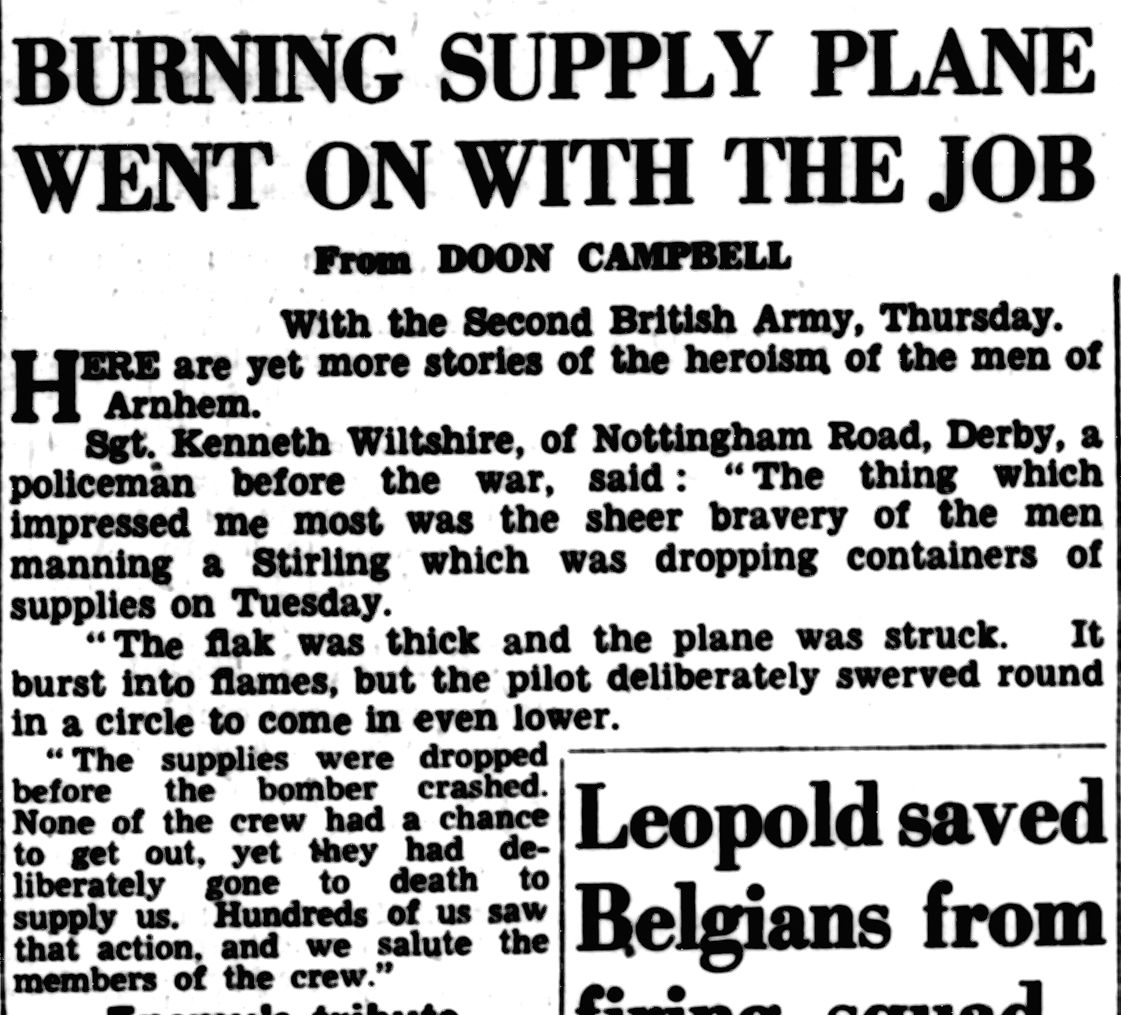
On 23rd September 1944, 8 Stirlings and 3 Dakotas manned by 253 Coy either crashed or force landed.
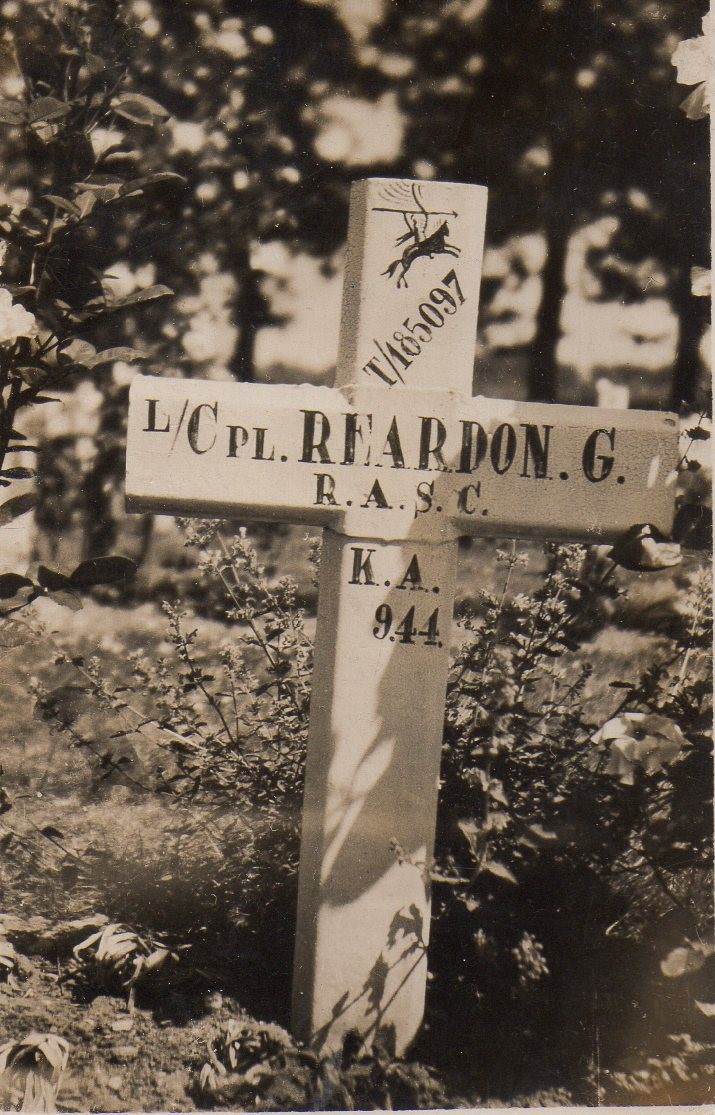
Lance Corporal Gerald Reardon is buried at Oosterbeek War Cemetery, Arnhem. Below is his original grave marker.
On the Run
Wood managed to help Badham into some nearby woods, where by pure chance they were picked up by two British Paratroopers, one an experienced Sergeant, from 10th Parachute Battalion who had been dropped in the wrong location and were cut off from their unit and were trying to make their way back through enemy lines to the Allied lines. After sheltering in the open for a couple of nights, the group made contact with a local Dutch Farmer and his wife and daughter, who shared what little they had with them, just bread and water, and gave them directions to escape the area with the warning that the route would have to cross an area covered by two German machine gun posts. Undeterred
On their way they came across a British Medical Officer and a Dutch Nurse, who were also making their way to safety, with whom they left the now badly suffering Badham, for treatment, and struck out on their own. Their adventures then involved assistance from the Dutch resistance, with them three men disguising themselves as Dutch peasant farm workers, and driving a Hay Cart cross country with their captured German Machine guns hidden under the Hay. They then took to hiding in Chicken Coups, before eventually making contact with the Belgian SAS, helping to organise an airdrop of supplies from the SAS to Belgian and Dutch resistance fighters.
Wood was treated for a badly sprained ankle, and on recovery was given a task by the Belgian SAS Commander to take a secret film back to the allies, that showed the position of German Sea Mines off the coast of The Netherlands. He and his paratroopers were joined by a Canadian Army Officer and the plan hatched to leave by bike and swim across the Rhine and Waal Rivers to reach allied lines at Nijmegen, unfortunately neither of the Paratroopers could swim, so Wood and the Canadian had to undertake the journey on their own. Despite the odds being against them, they both cycled and swam and eventually reached the HQ of the Guards Armoured Brigade at Nijmegen.
Escape
After interrogation Wood handed over his precious film, gave an interview with a female war correspondent, borrowed a Belgian Officer’s overcoat, and managed to hitch a ride on a Dakota to Northolt airport in North London on the 7th October 1944, was granted some well earned leave, and in time to get to his wife who was pregnant with their first child.
Badham was liberated on 22nd October 1944 by the Dutch Resistance along with 137 other allied soldiers who were hiding out in the area around Ede, called Operation Pegasus 1.
Burials
There is a monument in the woods at Oud-Reemster Heath commemorating the casualties of LJ883.
The crew’s burial plots are:
Pilot F/O. W. Kirkham 174309 RAF Oosterbeek War Cemetery; 4 A 17
Flight Engineer Sgt. H. Ashton 1129447 RAF Oosterbeek War Cemetery; 4 A 14
Flight Engineer F/O. M. Hand 138921 RAF Oosterbeek War Cemetery; 4 A 16
Bomb Aimer F/O. E.C. Brown 173296 RAF Oosterbeek War Cemetery; 21 C 11
Bomb Aimer F/O. D.H. Atkinson 133788 RAF Oosterbeek War Cemetery; 4 A 15
Air Gunner F/Sgt. G. Wood 1067675 RAF Survived – evader
Air Despatcher Drv. Badham RASC Survived – evader
Air Despatcher L/Cpl G. Reardon T185097 RASC Oosterbeek War Cemetery; 16 A 3
Details of burials from site below:

 Travelling Through Time to Trace Your Ancestors
wow!! 90A Bridge Too Far: Unsung Heroes
LikeLiked by 1 person
Thank you for this history as my grandfather was Flight Sergeant George Wood.
LikeLiked by 1 person
Glad you liked it Richard. Your Grandfather was a man to be proud of.
LikeLike
hi my dad was william kirkham
LikeLike
Hi Richard, a lady named Patricia Marshall, who is the daughter of William Kirkham, is interested in making contact, would it be possible to facilitate this with you?
LikeLike
Thank you for this. My great uncle was Morris Hand and he is the one standing 2nd right. I have his medals and numerous letters he sent to my Nan through the war. I also have a letter from
William Kirkham’s wife which she sent to my Nan after they were declared missing. Plus I have a letter from George Wood after his return. He talks about what he remembers from the crash. Thank you again. Now the jigsaw is more complete.
LikeLike
Thank you Julie,
That’s lovely to hear.
You must keep those letters safe they are important first hand historical documents. If you would like me to publish any of the letters etc on the blog just let me know.
Glad to have been of help.
Paul
LikeLike