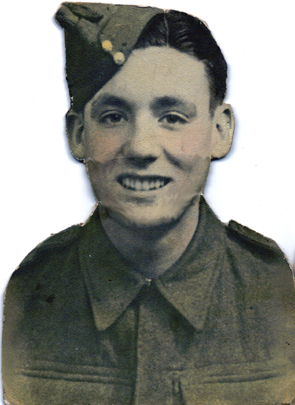
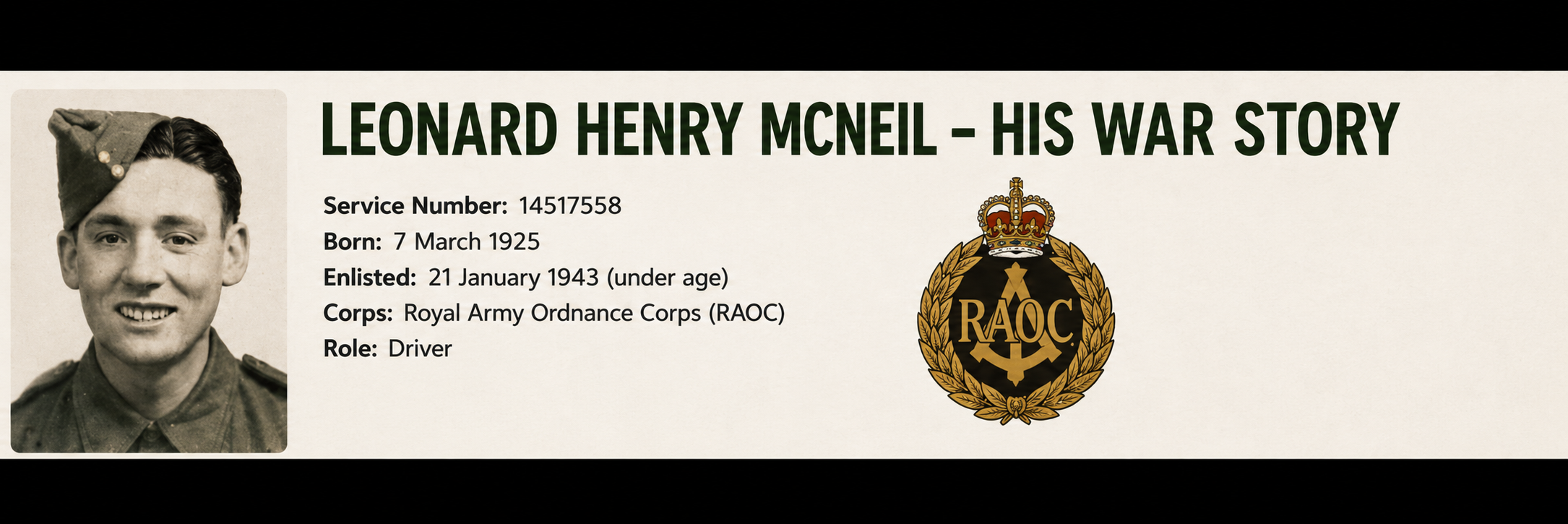
With Remembrance Sunday coming up tomorrow I thought it worth showing what can be found in soldiers WW2 records available through Freedom of Information (FOI) Requests, and starting to become available on Ancestry.
These can be ordered for free under FOI take a long time to come through up to two years in my experience, but are a wealth of information. The problem is a lot of the information is fairly cryptic, and takes a bit of decoding from all the services jargon you’ll find in there, (as can be seen from the excerpt from my Dad’s Records below) however you can google or use an AI to help decode a lot of it, and if you work methodically you can glean a lot about your ancestor’s whereabouts and actions during the war.
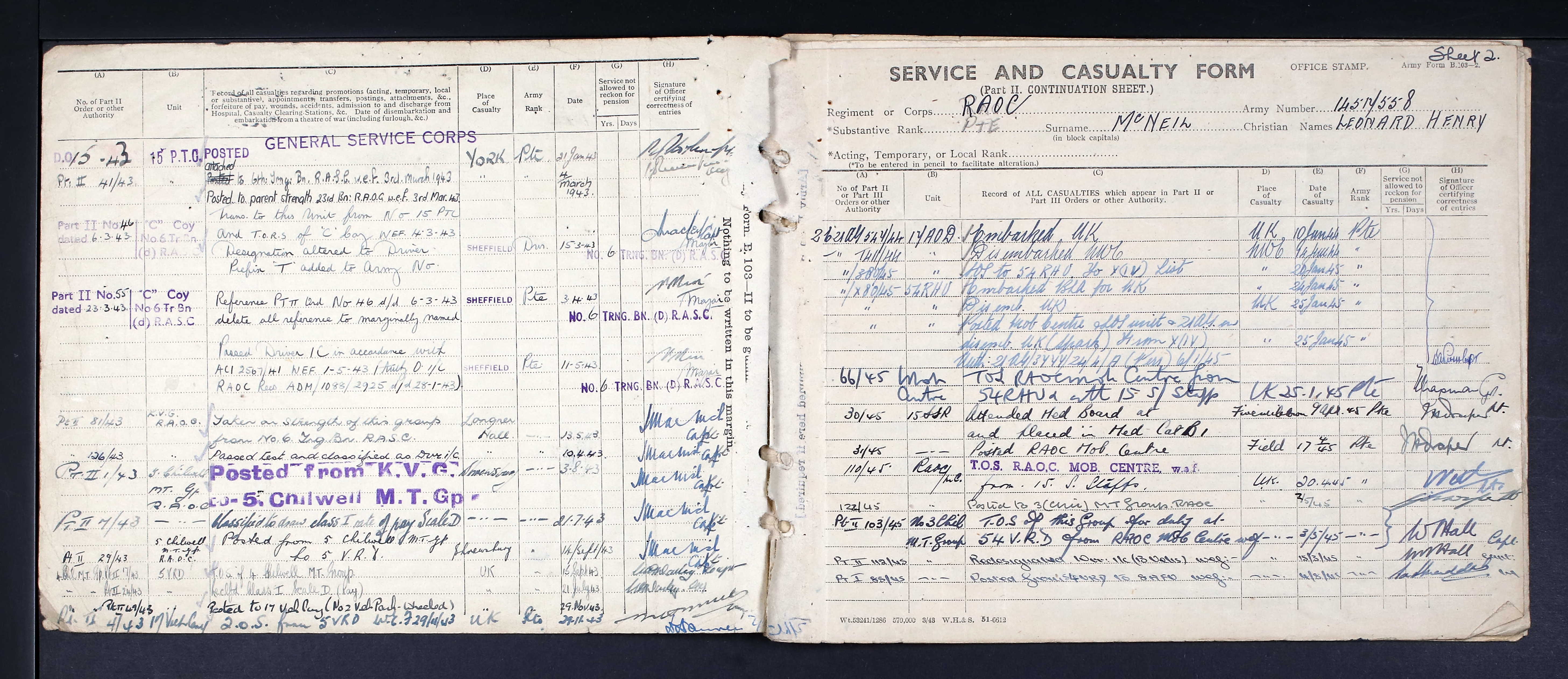
As an example using my dad’s Records, there were some things I already knew from family stories that I’d been regaled with as a kid by my Mum and Dad and my Uncles, some of them were obvious jokes, some were slightly bizarre, some were shocking, and others just funny.
The types of stories that don’t show up in the records, because they were a joke, were things like my Dad claiming to have been court-martialed for marching into camp with four Germans impaled on his bayonet when the limit was meant to be three! However there would be a seed of truth in the story if not the more lurid part.
What can be pieced together from the records was that Dad was under age when he signed up, adding six months to his age so he could join as an an adult and be old enough after training for foreign service. He had been driving motorbikes for some time, sometimes involving borrowing them having forgotten to inform the owners, and his older brother Albert told me that Dad could drive and repair anything from a motorbike to a three ton truck. So it was unsurprising that having seen him demonstrate his abilities in basic training he was put into the Royal Army Ordnance Corps Motor Transport Group (R.A.O.C. M.T. Group) driving both motorbikes as Dispatch Rider later in the war, and a three ton Truck earlier in the war.
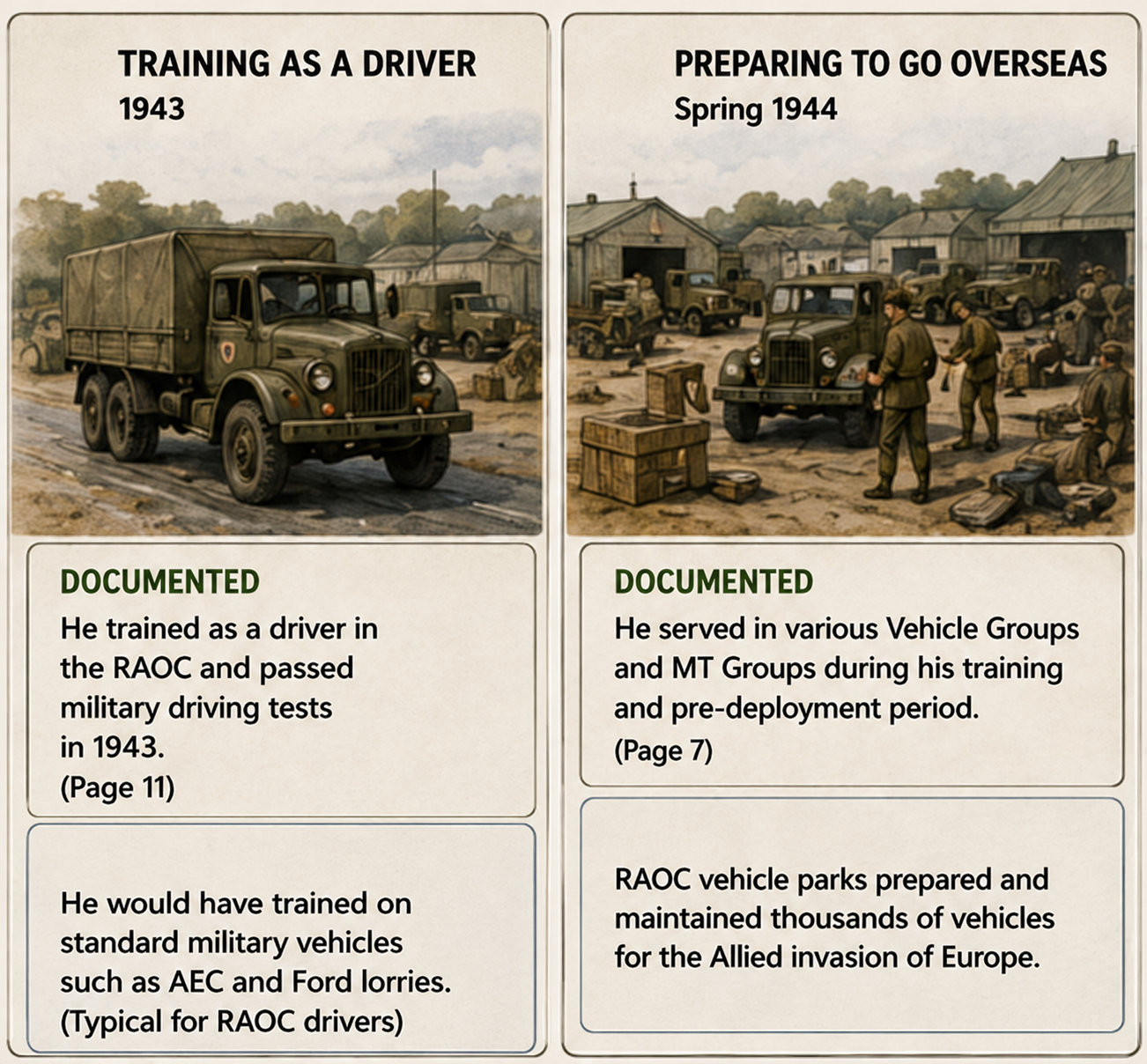
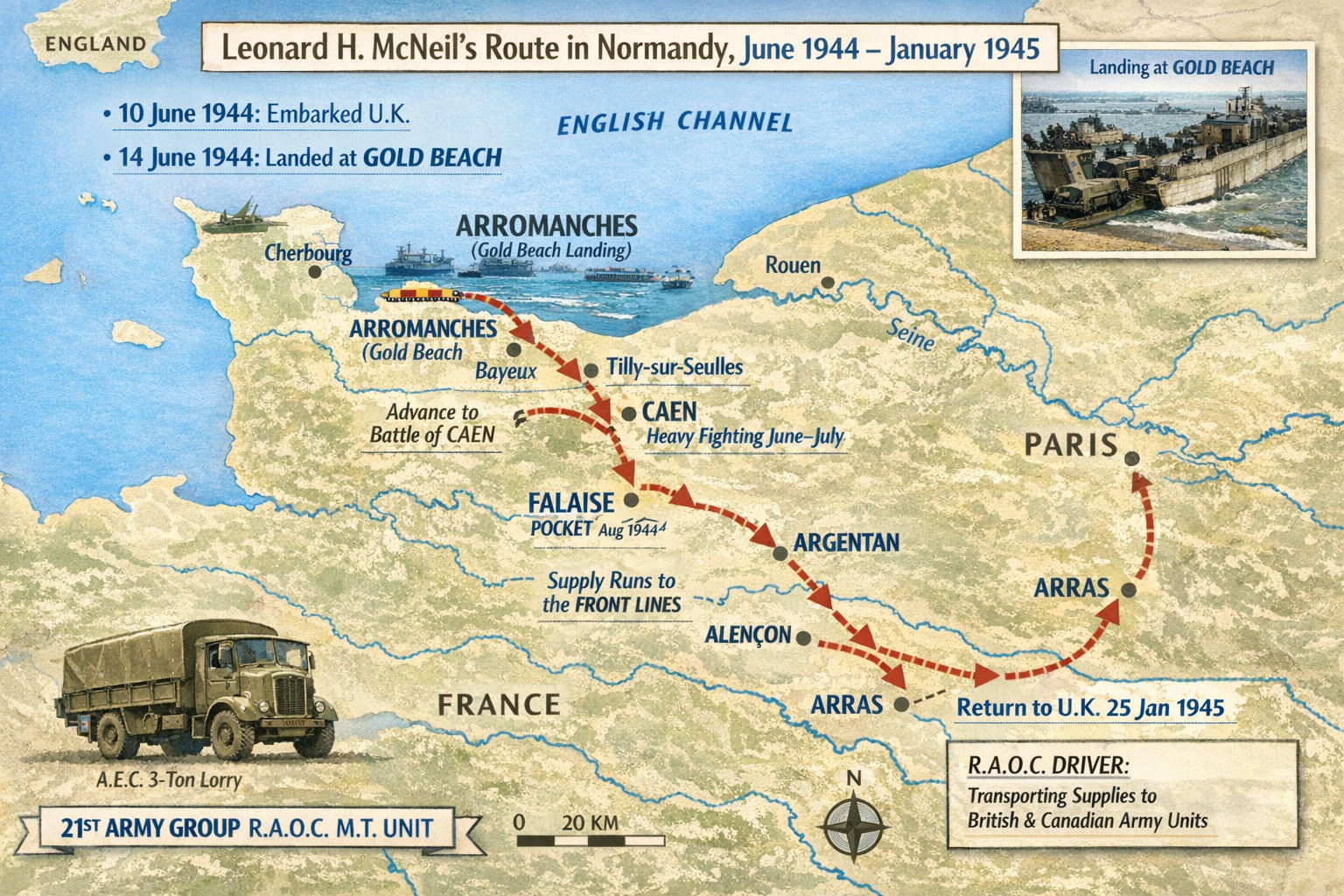
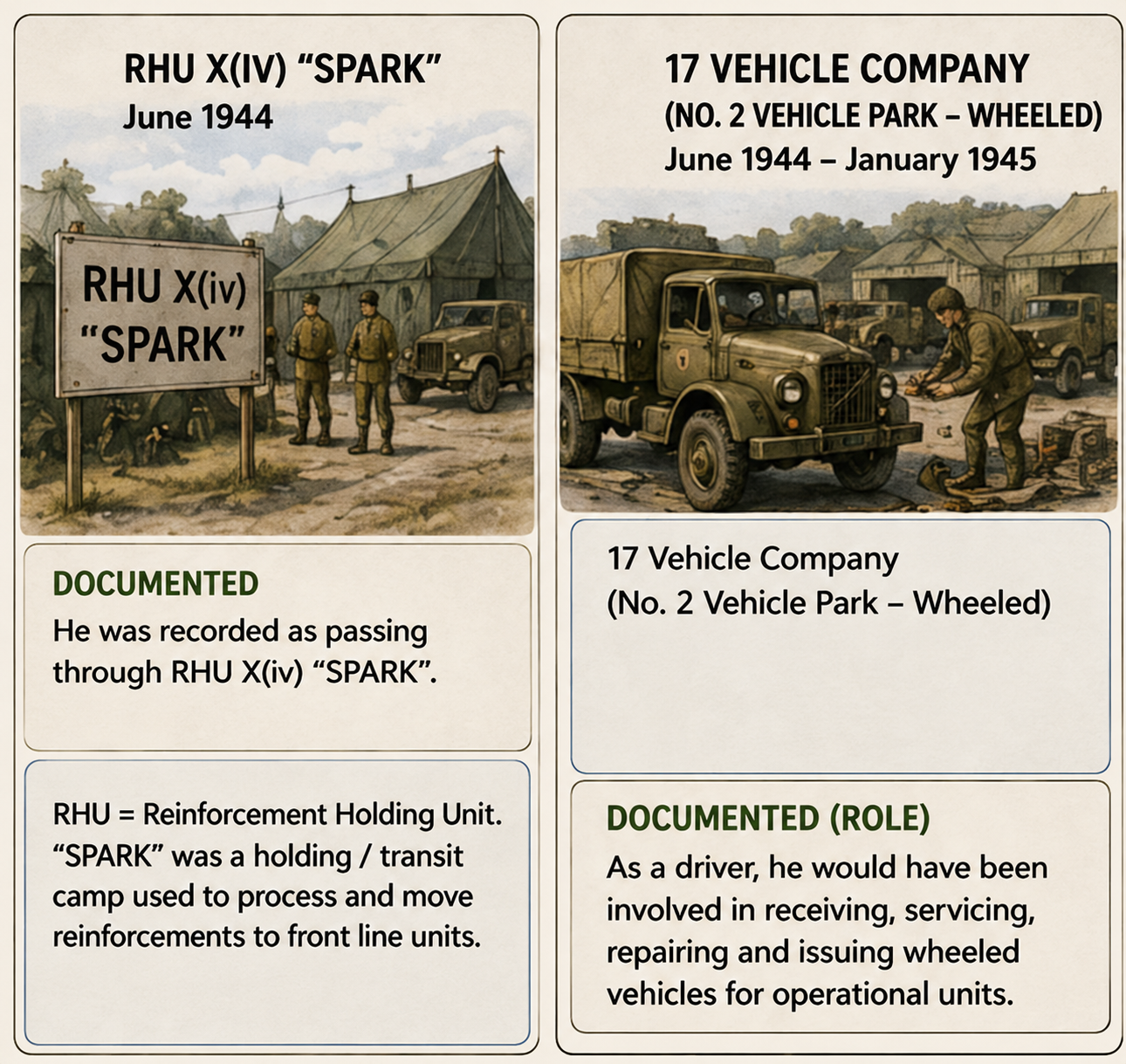
Analysing his records I managed to decode the jargon and piece together Dad’s movements as a 19 year old, who had never been further from London than the Hop Fields of Kent before the War.
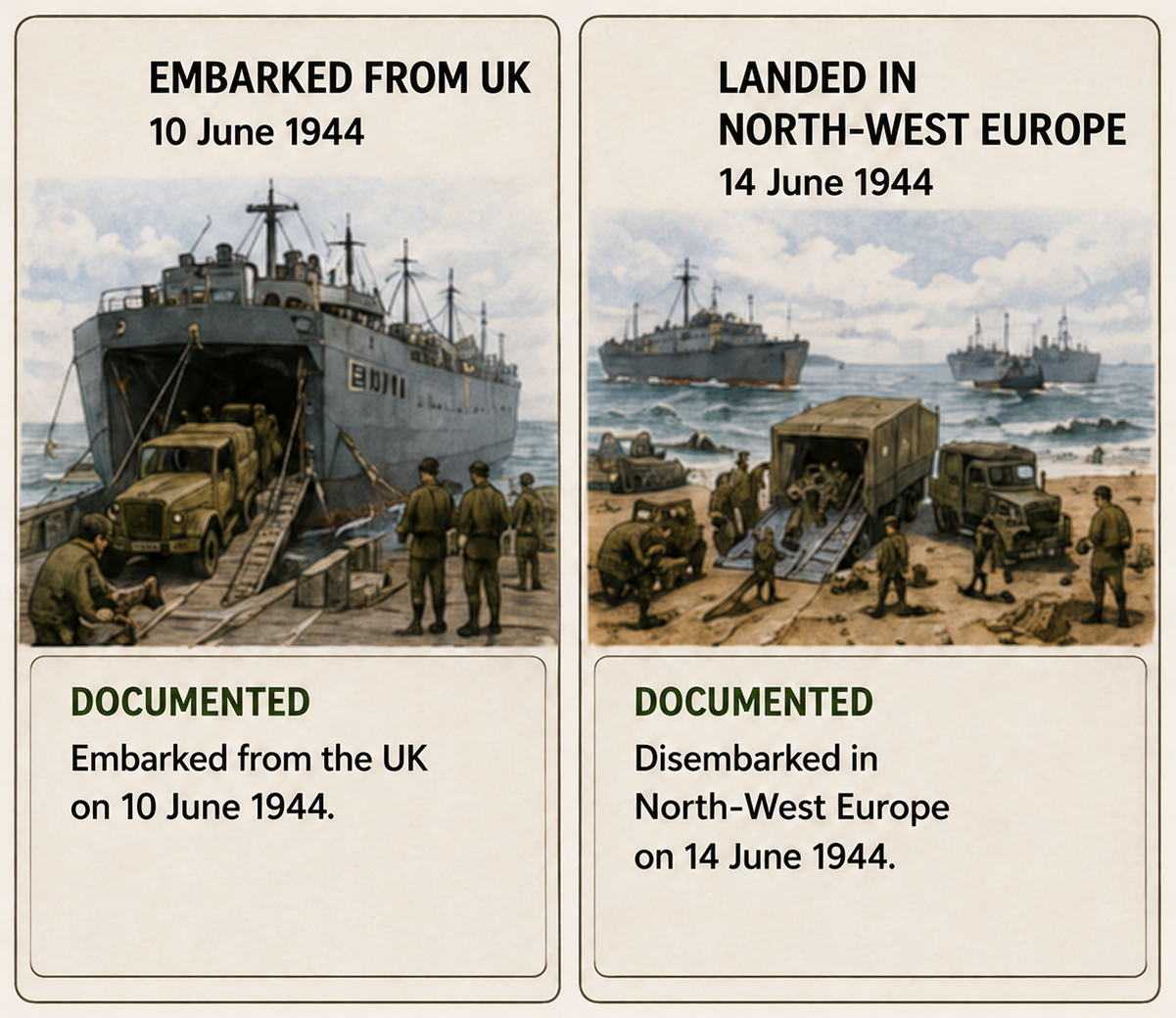
Dad was now driving a three ton truck loaded with supplies men and ammunition to the front line during the break out from the Normandy Beaches through France. He was effectively presenting a soft unarmoured target to enemy artillery, snipers, and dive bombers. That takes an unbelievable level of cool under fire bravery, especially at just 19 years old.
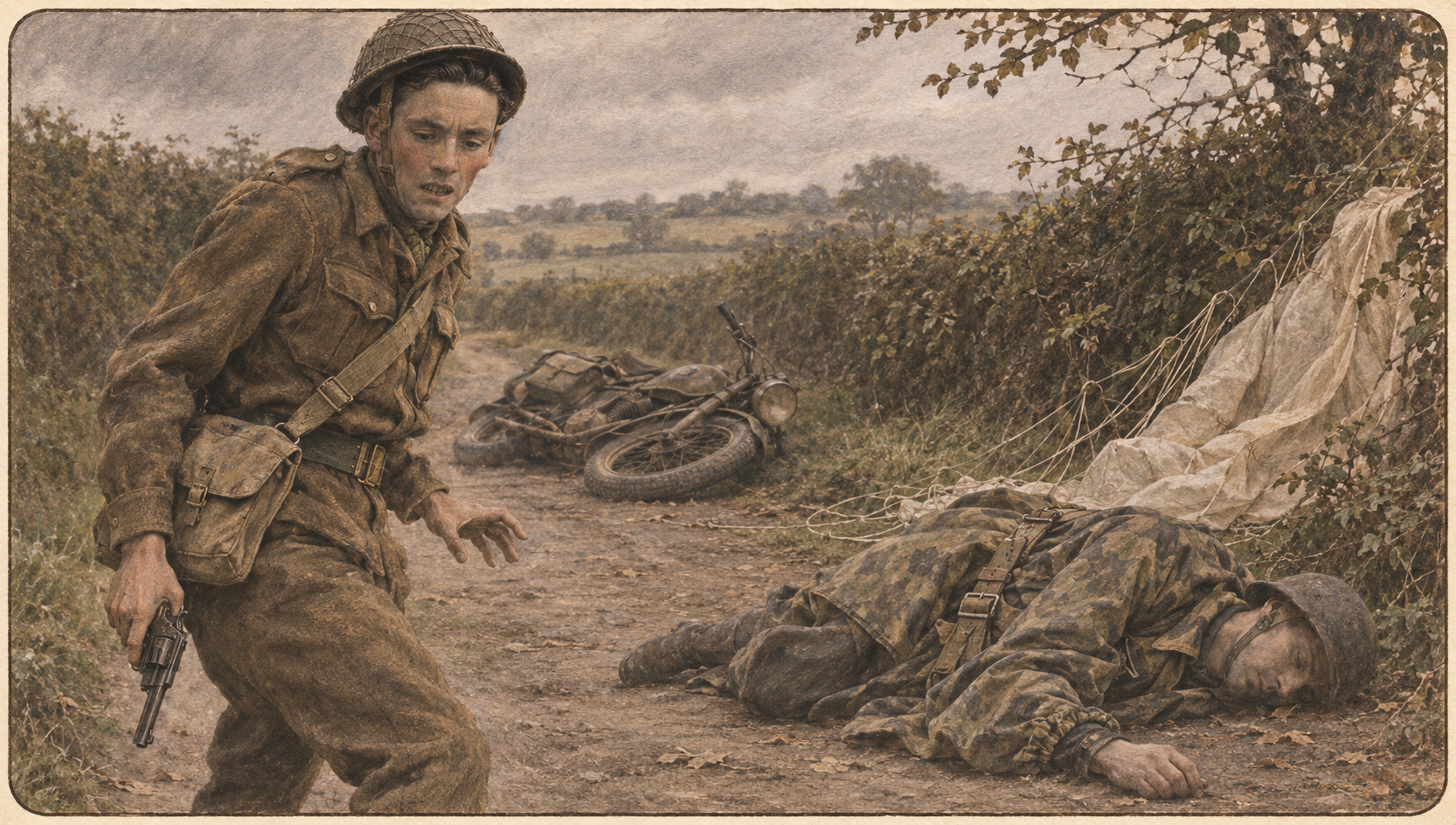
He was not just driving trucks, he was a skilled motorcyclist, probably for all the wrong reasons before the war, but he was used as a Motorcycle dispatch rider during the fighting at certain points, at one time being sent out to scout for German Fallschirmjäger – parachutists – he encountered one crouching in a country lane with his back to him, Dad dropped the bike, drew his service revolver ran up behind the enemy soldier and kicked him between the shoulders shouting “Hände hoch!” (hands up!) the German rolled over stiffly into the road, and dad saw that he had a contorted look of horror on his face, he was already dead, his chute had failed to open properly and the impact on landing had compressed his legs and his body killing him instantly. Dad was unexpectedly horrified, ran back to his bike and high-tailed it back to base still shaking.
On another occasion a Group of German soldiers had been captured and brought into the depot for interrogation. My old man had always treated captured Germans with firmness, but without malice. He didn’t like them much, but saw no reason to be an arse about it. On this particular day he was told to watch the prisoners whilst they awaited interrogation, he had even made them tea! Having handed a piping hot cup of tea to the German officer first, he turned to bring the other mugs of tea over, when he heard a shout from behind, turned around, and the German Officer threw the steaming mug of tea into Dad’s face scalding him, and landing a couple of punches on him. The German had mistaken good manners in a young soldier for weakness, big mistake.
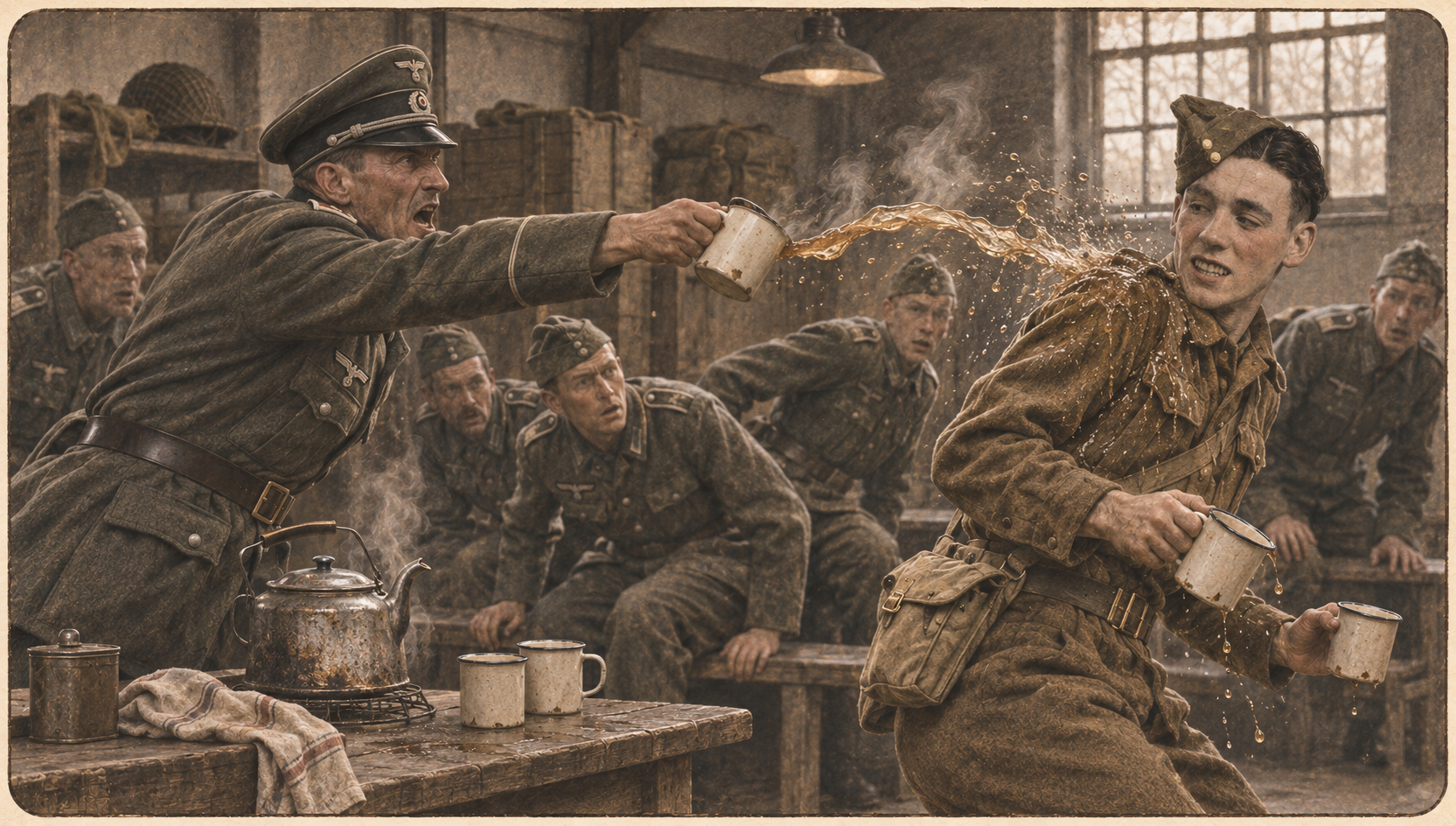
Dad had been brought up in abject poverty down the Old Kent Road during the depression, and had had to fight for everything. He managed to get his hands on the German Officer’s collar to steady himself, the proceeded to knock seven bells out of the man, having laid him spark out, he decided to take no chances and dived into the the other Germans who were now on their feet and proceeded to iron them out as out as well, just to make sure they got the message. The shouting and commotion brought other soldiers in, who pulled Dad away, before a Sergeant frog marched him to a separate area and made Dad explain himself. Having heard the story, the Sergeant said “That’s the only decent bit of work you’ve done since you’ve bloody well been ‘ere McNeil!” and walked off. Needless to say, the details never made the official records.
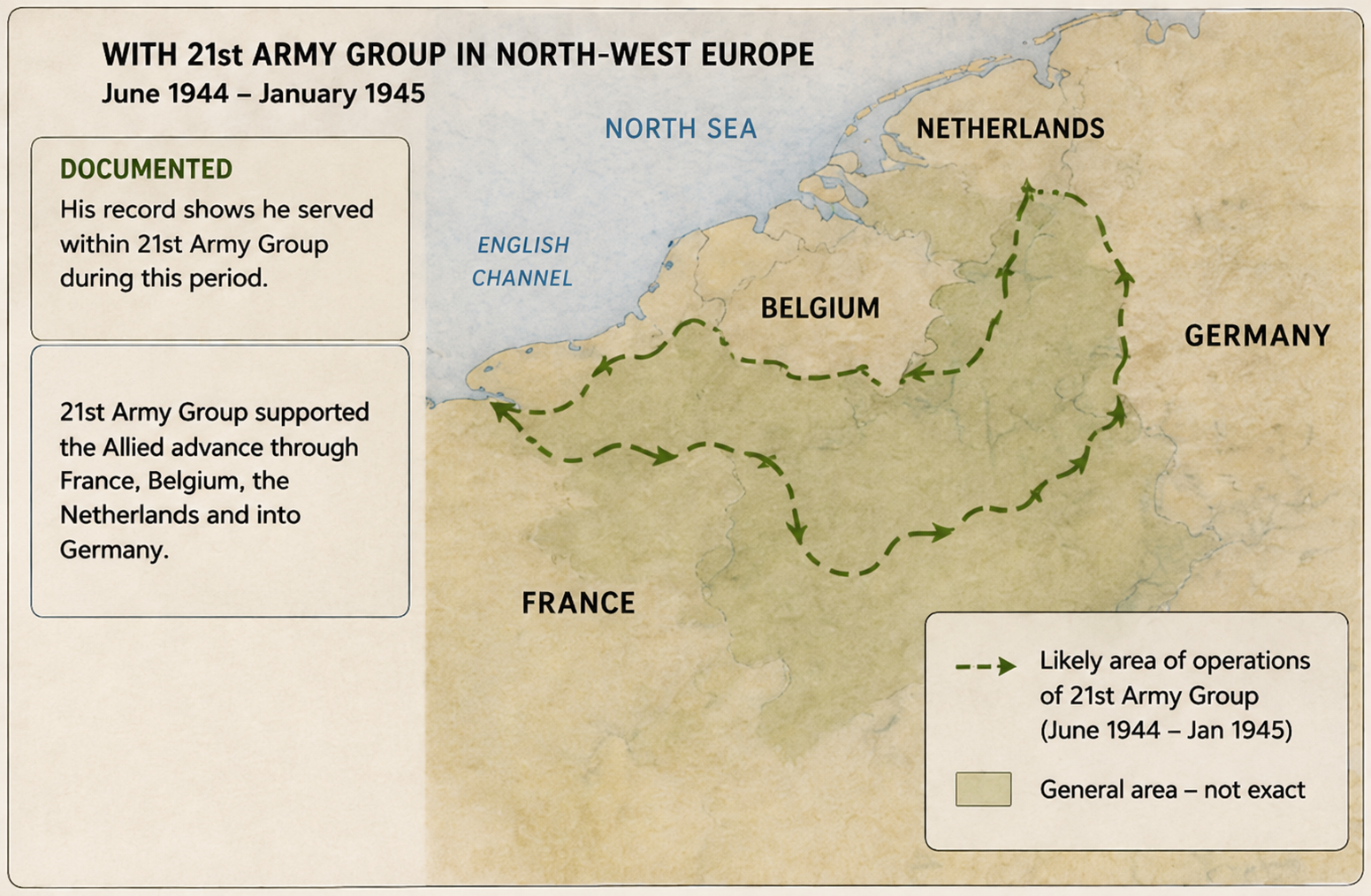
Dad would eventually be sent back to England in January 1945. It’s hard to imagine a fresh faced 19 year old boy being able to face up to the same things today.
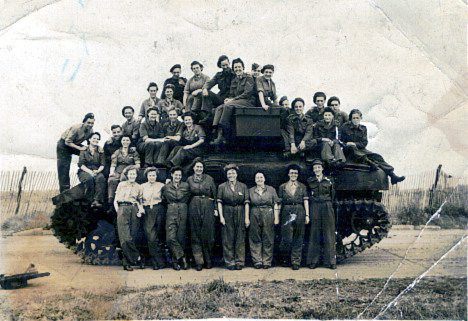
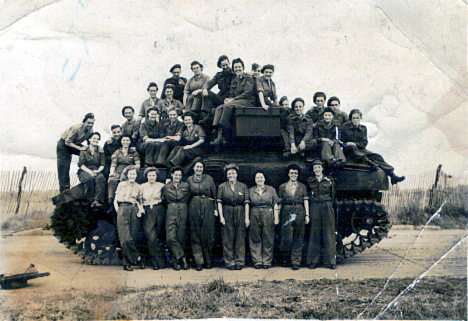
On 8th February 1945 Dad entered 15 School of instruction at Middleton Stoney near Bicester, this was the R.A.O.C. Vehicle and Driver Training School, and it is likely that he was being trained to drive huge Tank transporters, and possibly some tracked vehicles, maybe Tanks. (Dad pictured below on the Tank third from right at the back, with his beret perched back on his head in a very unmilitary fashion).
From training he went into 12 Motor Transport Group in 1946/1947. And here we get another story where one of my Uncles said that Dad was driving a huge Tank Transporter, presumably bringing armoured vehicles back from the coast after War’s end. Now it happened that the route took him through part of South London, and it was just too near to where my Mum and elder brother were living while he was serving, the temptation was just too great; he swung the giant vehicle off the Old Kent Road and negotiated the smaller streets of terraced Victorian slums where the family were living, finally blocking off the street they were in, jumping out of the cab, and knocking on the door. As spontaneous and romantic as this reunion may seem, the show was almost stopped when a Copper banged on the door demanding that Dad move the vehicle, Dad said “OK” walked back in the house got the ignition keys, slapped them in the Copper’s hand and said “Right mate! You want it moved, you (expletive deleted) move it!” and shut the door in the Copper’s bemused face. Dad didn’t get away with it of course, the keys having been pushed back through the letterbox by the angry Policeman, Dad stayed the night at home, before setting off again in the morning to finish his delivery. By the time he reached base, the Police report had got back, and he was charged with being Absent Without Leave (AWL) for twelve hours, and confined to Barracks.
This set a precedent for how he would behave for the rest of his time in the Army, the War was over, he had a Wife and Son at home, and he had had enough of military authority. His remaining time would be periods of reasonable service followed by being absent without leave, followed by six weeks desertion, when he went home again, and was eventually caught by the Military Police at Waterloo Station where he was in Uniform with my Mum on his arm, who was tugging at him, saying that some his his mates were calling out to him, he pulled her along walking as fast as he could trying to tell her under his breath that they were Military Police, and no friends of his. But he wasn’t getting away this time. Arrested, shipped back to barracks, he faced a Courts Martial, and got 70 days in a Military Prison. But it was now 1947 and the war had been over for a couple of years, his term in prison was remitted after six weeks, and in 1948 he was discharged to the Z List Army Reserve of experienced soldiers, liable for recall in an emergency. he did go back for a period of further training later, and wasn’t finally free of the Army until 1952.
I found his records, and so can you if you have relations who served in the British Forces in WW2, bear in mind you may find more than you were expecting! So an unconventional soldier, but one who served his country, and with some bravery at a very young age in wartime, but wasn’t prepared to be exploited in peacetime. And today I will remember him.