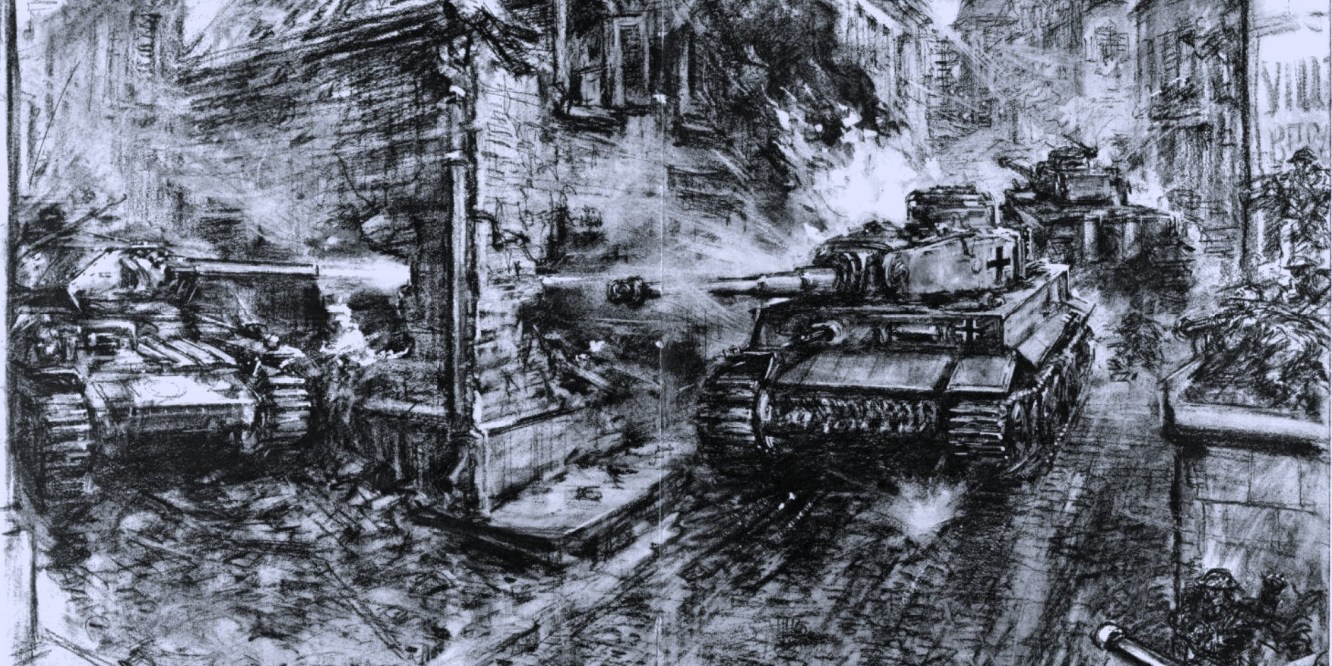
At the tender age of 15 in 1939, Henry (Harry) Joseph William Redknapp, Harry Redknapp’s Father, Jamie Redknapp’s Grandfather, was a “Heavy Worker” in the Docks in the East End of London, just like his Father, in the family home at Goodliff Place Poplar, in the East End Docklands of London. Their neighbours were other Dockworkers, but the life was to be shattered by the outbreak of the War.
The Docklands was bombed mercilessly by the Germans, and as soon as he was able, on 13th January 1942, Harry joined the 1/7 Battalion of the Queen’s Royal West Surrey Regiment to get a chance to strike back at the people who had been bombing his family with impunity. He wasn’t even 18 at the time, so lied about his age to join up and do his bit.

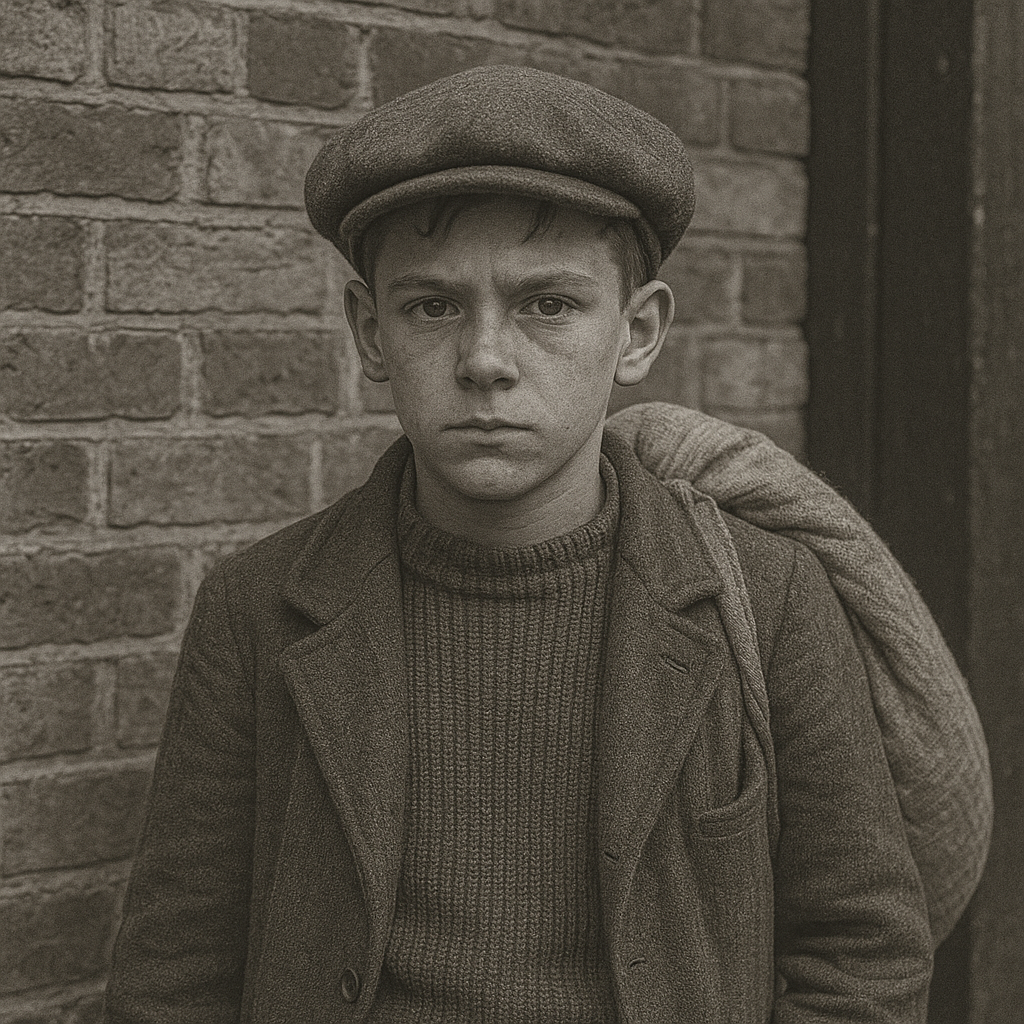
Private Harry landed in Normandy over the 8th-9th June 1944 and went straight into close up fighting in Villers-Bocage a few days later. The Bocage was a challenging terrain of hedgerows and narrow lanes, followed by cramped small roads in the town, which made movement difficult and favored German defenders.
Harry’s battalion were tasked with breaking through German positions. The fighting was fierce, with the German Panzer Lehr Division putting up a stiff and heavily armed resistance. Harry’s battalion The battalion worked alongside allied armoured units to push southward facing German counter attacks and ambushes by German Tiger Tanks.
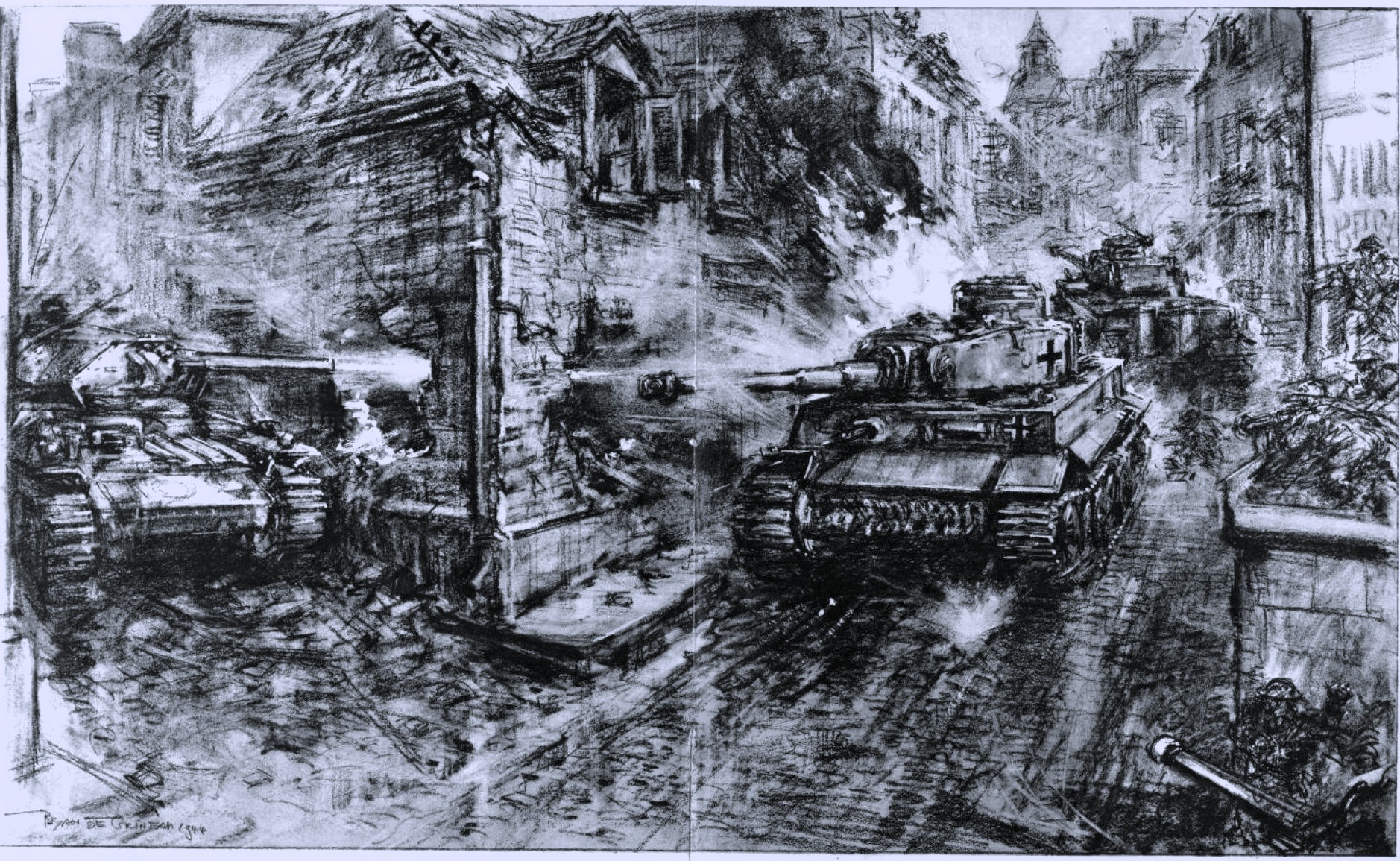
The fighting was confused, and often close up, and although the allies succeeded in forcing the German’s to retreat, Harry was reported as Missing in Action (MiA) in June, it was later discovered that he had been captured by the Germans on 14th June 1944 at Villers Normandy.
We know what happened to Harry next due to the release of declassified Top Secret records during his debrief when he was liberated from a German Prison camp at the end of the war.
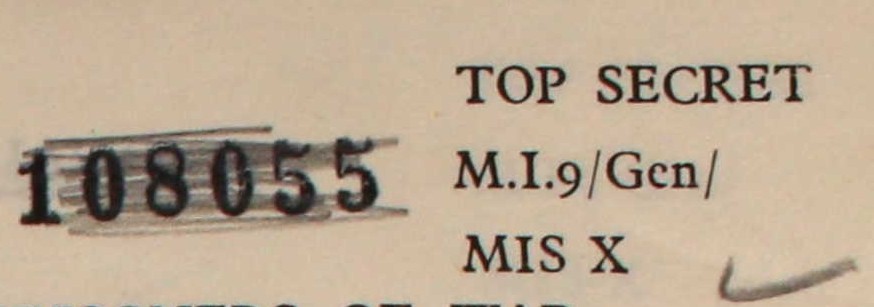
He was initially interrogated at Chalons, and being a tough young Cockney Docker Harry refused to divulge any information and found himself in solitary confinement for four days and nights, and was starved during that time, but refusing to say anymore, the Nazis shipped out to a number of Prisoner of War (POW) Camps, at Lingberg and Gorlitz and Stalag VIII C Kunau Kz Sprottau/Sagan in Lower Silesia, now part of Poland, near Breslau. This camp was next to the “Great Escape” camp of Stalag Luft III.
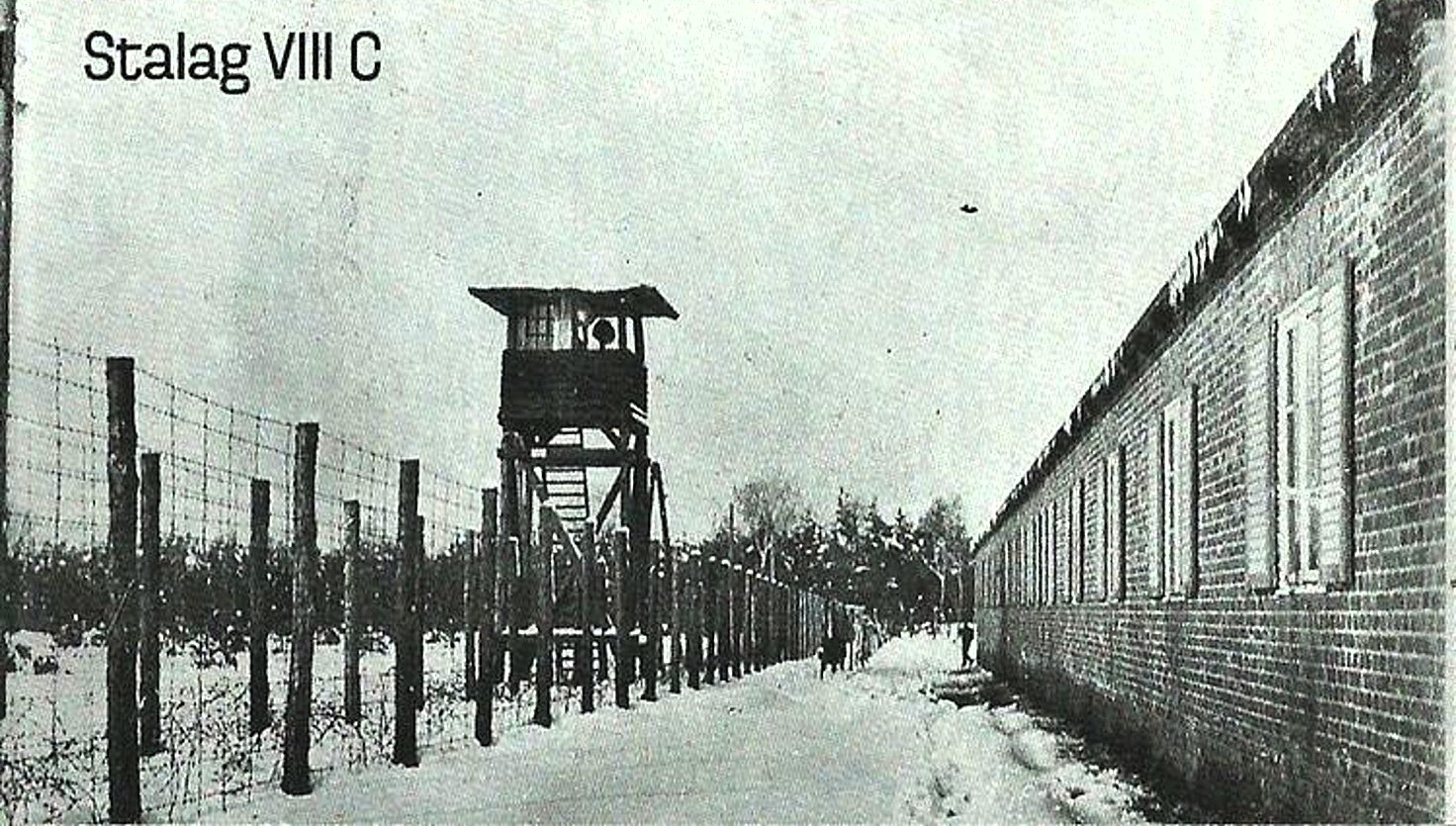
Conditions were harsh, and Harry was kept there through the winter of 1944/45. From November 1944 to January 1945 Harry was put to work in a Sugar Factory whilst a prisoner, then in February 1945 word reached the camp of the Russians advancing on the camp, and fearful of what would be discovered, the Germans destroyed all documentation from the camp to get rid of evidence of the crimes committed on the POWs.
On 8 February 1945, the prisoners were marched west ahead of the advancing Russians, leaving only 200 of the sickest prisoners in the camp hospital. Less than two weeks later the Russians entered the camp, and subsequently filled it with captured Germans, and Polish Resistance fighters, many of whom where later deported to Siberia.
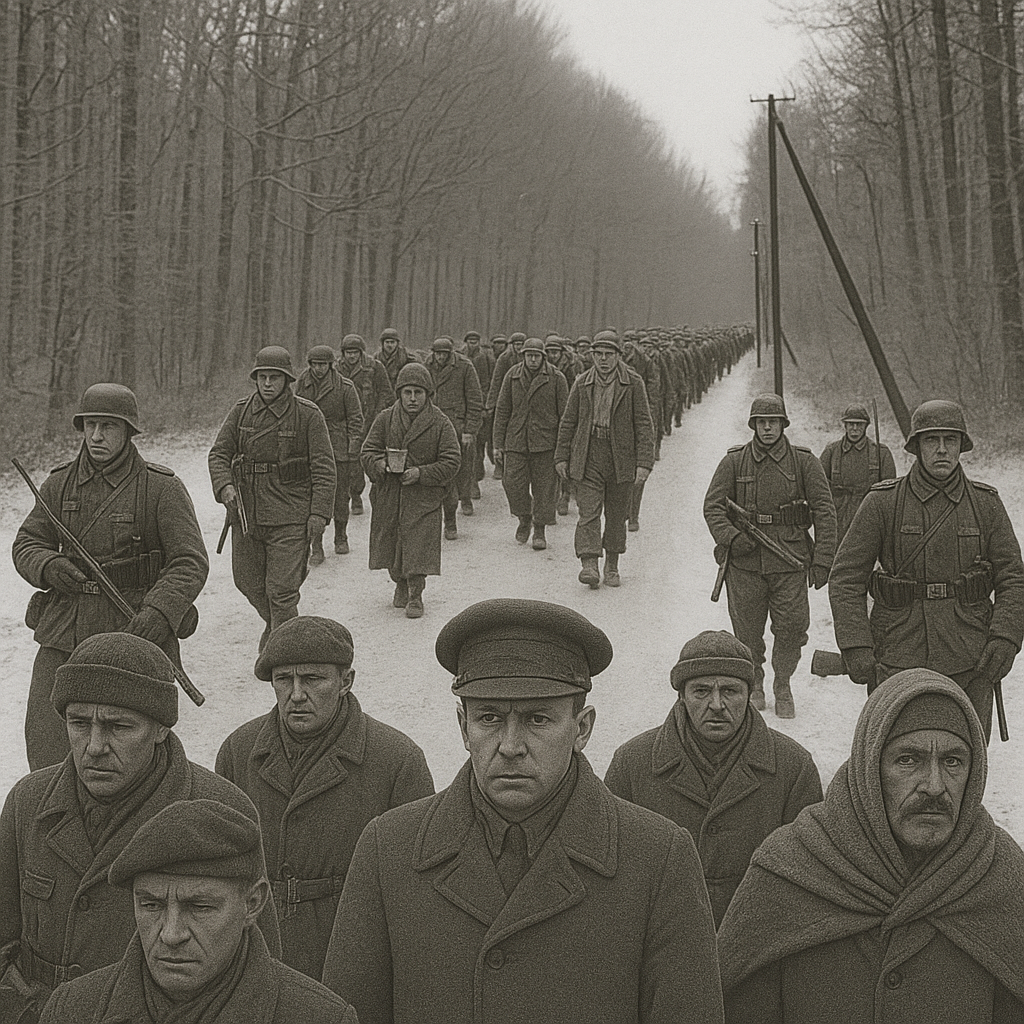
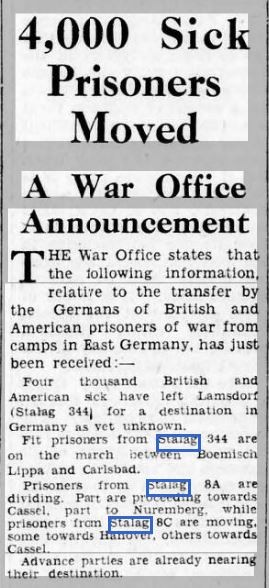
The March was one of what became known as The Death Marches, in the middle of a harsh winter, some prisoners being without adequate food and clothing, some allegedly without boots. The initially were forced to march 50 miles in three Days whilst the Germans executed the sick POWs and those POWs desperately trying to forage for food.
The whole Death March took a month, with the survivors, including Harry, covering over 200 miles, eventually reaching Stalag IX-A camp in Ziegenhain on 7 March 1945. On 30th March the yanks arrived to liberate the camp in the form of the Sixth Armored Division of General George Patton’s Third Army. By that time the Germans had mainly fled, and some POWs had been shipped to other camps and areas. In Harry’s case he wound up in Stalag X1B at Falling Bostall which was liberated by British Forces on 16th April 1945.
Whilst in confinement Harry suffered from malnutrition and dysentery for six weeks, and had shell shock from the constant allied bombing for ten months, and finally during the death march suffered with damaged feet for three months. He received no medical help from the Germans for any of his ailments.
He was eventually shipped home and discharged from the army on 8th January 1946. So although VE day had been and gone, it still took sometime to “get the boys home”.
Once home he settled back in to life in the Docks in the East End of London, and in march the following year 1947, Harry Redknapp was born.


harry was my mums cousin
LikeLiked by 1 person
Hi Lesley,
Did you see the DNA Journey programme we did on the Redknapp family?
LikeLike